Flat Roof Scupper Leaks in Alberta: What Homeowners Need to Know Before Damage Starts
Understanding the unique characteristics and common issues associated with flat roofs is essential for homeowners in Edmonton, especially given the region’s climate that can exacerbate roofing problems. Flat roofs, while modern and aesthetically appealing, require diligent maintenance and proper installation to prevent costly repairs down the line. In this article, we will delve deeper into the complexities of flat roof scuppers and the preventative measures homeowners can take to safeguard their investments.
Tips for Maintaining a Durable Flat Roof
Flat roofs are inherently different from traditional sloped roofs. While they provide a sleek appearance and offer additional usable space, such as roof gardens or patios, they often pose unique challenges. The lack of slope can hinder proper water drainage, leading to water pooling and increased pressure on roofing materials. This article aims to highlight the importance of scuppers, their role in drainage, and the potential risks when they are not functioning adequately.
When hiring professionals for a flat roof project, consider their experience with flat roof systems specifically. Effective drainage design, including the installation of scuppers, is critical. Poorly executed work can lead to issues that may not appear until significant damage has occurred. Homeowners should ask for references and examples of past projects to ensure they are choosing a knowledgeable contractor.
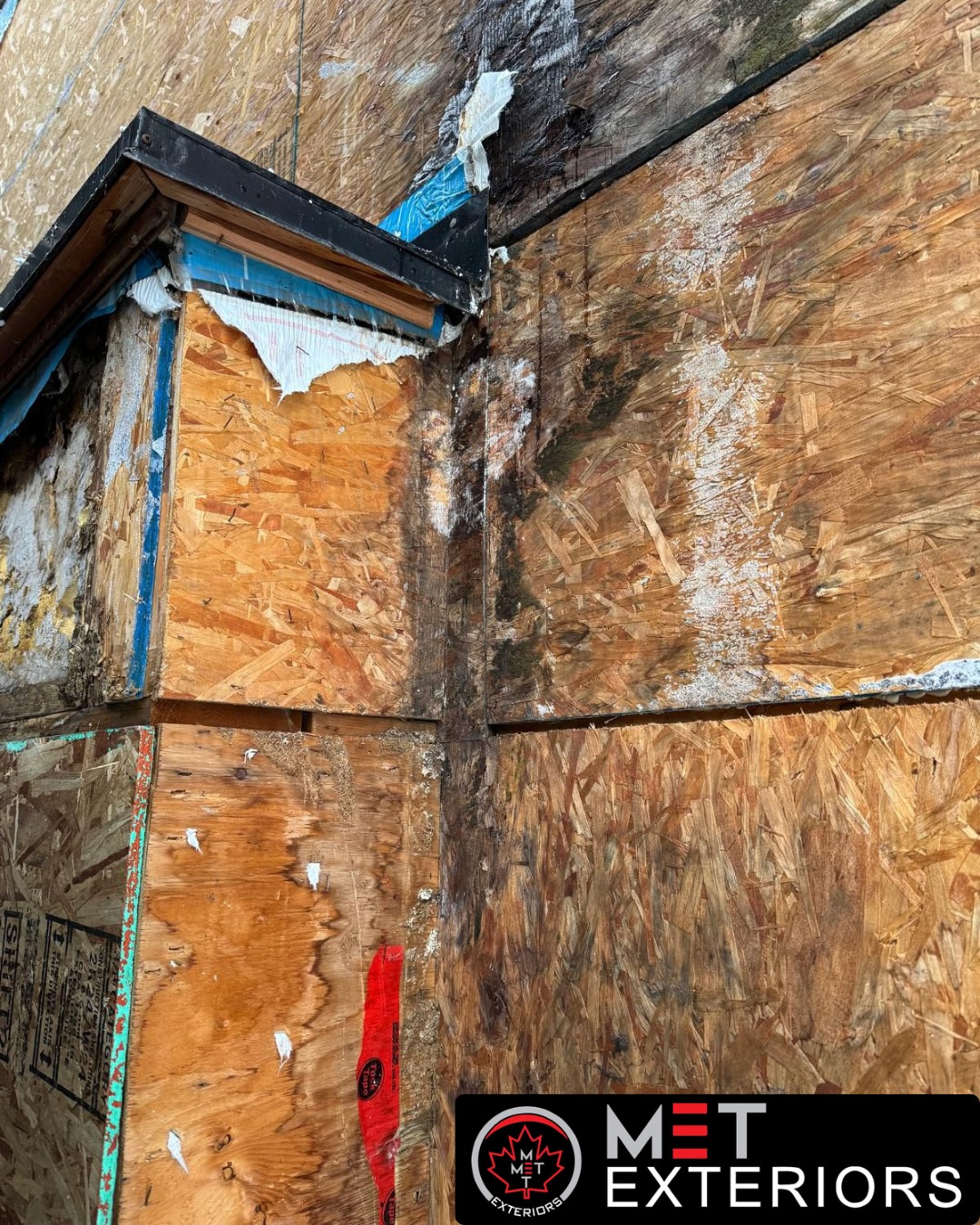
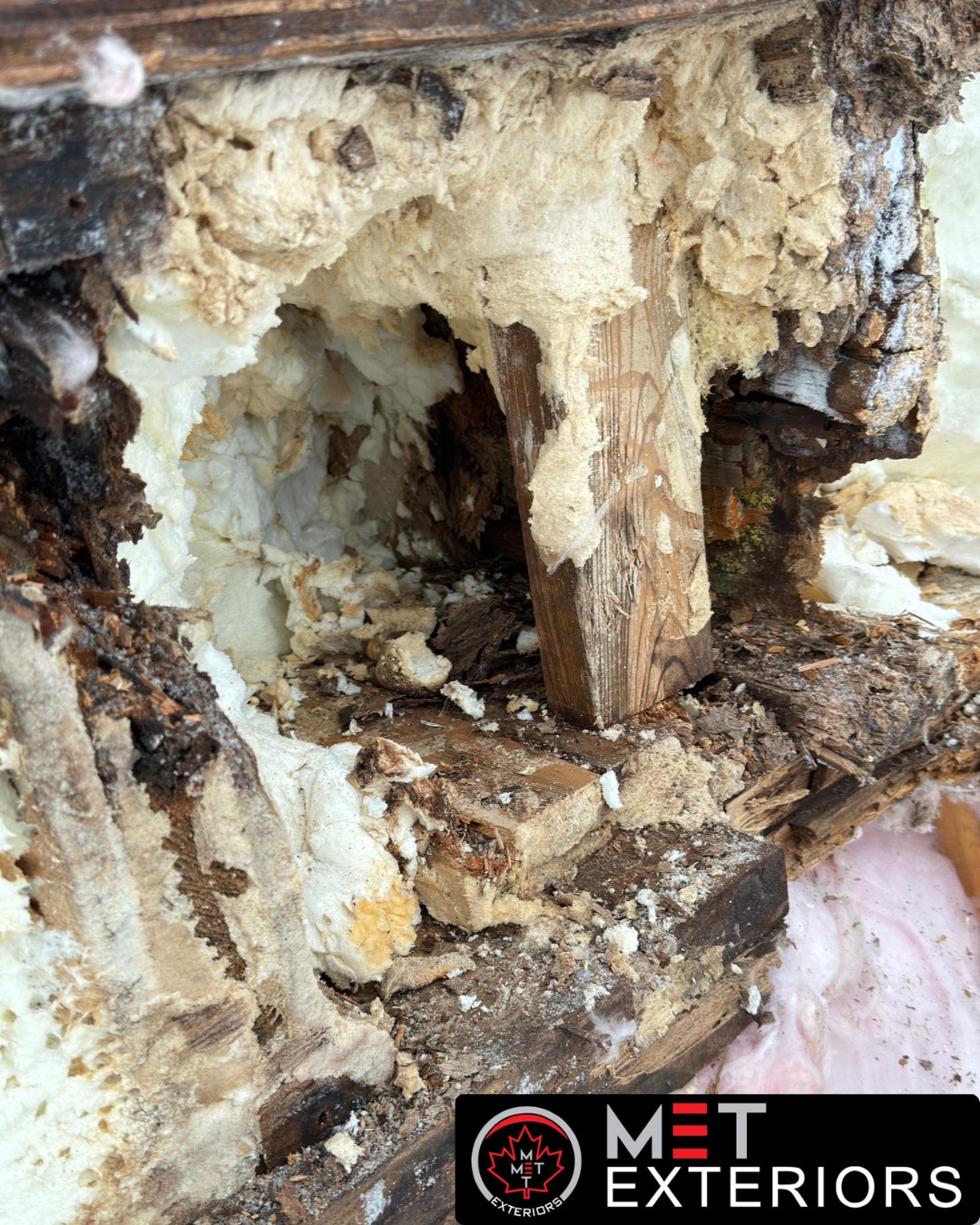
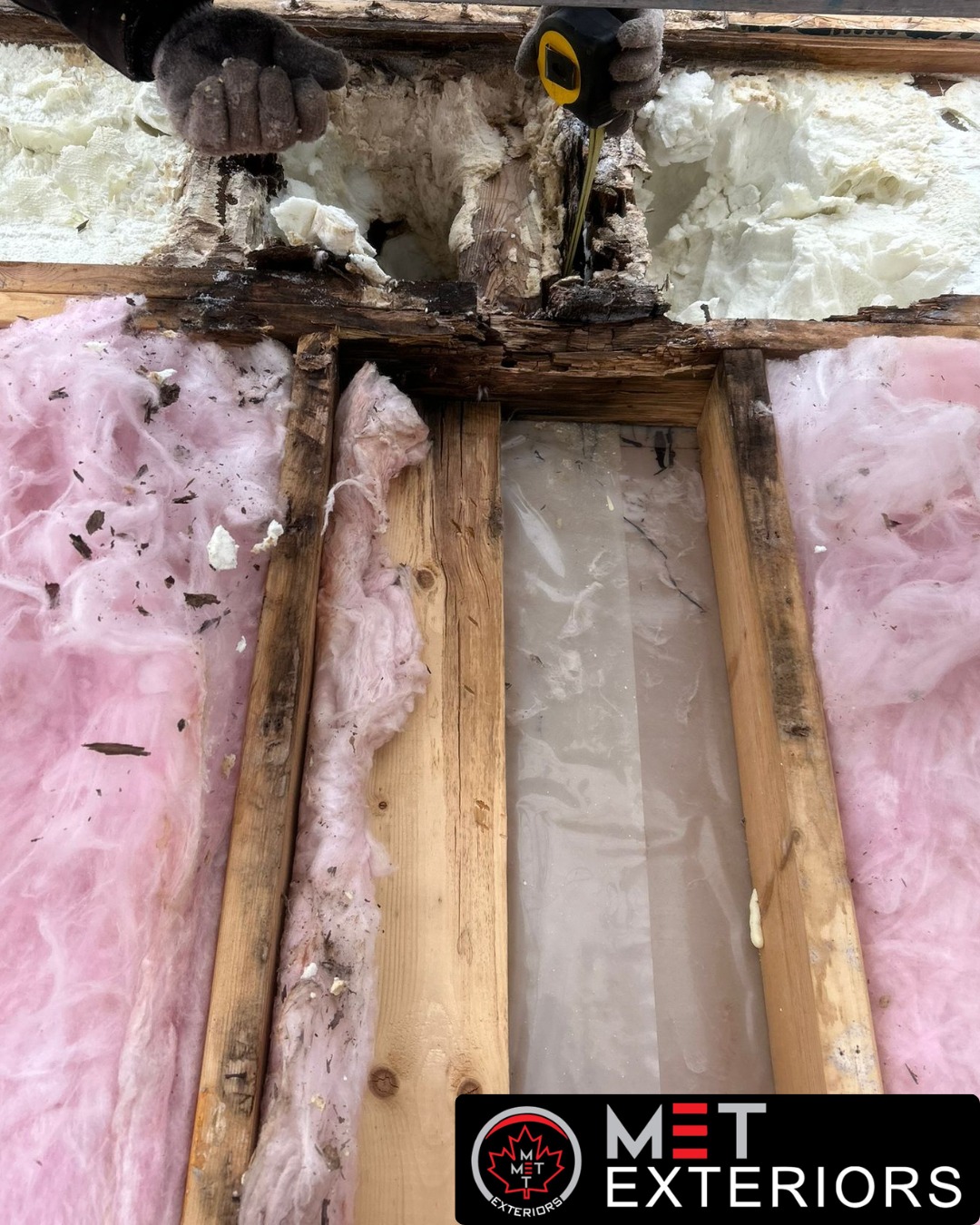
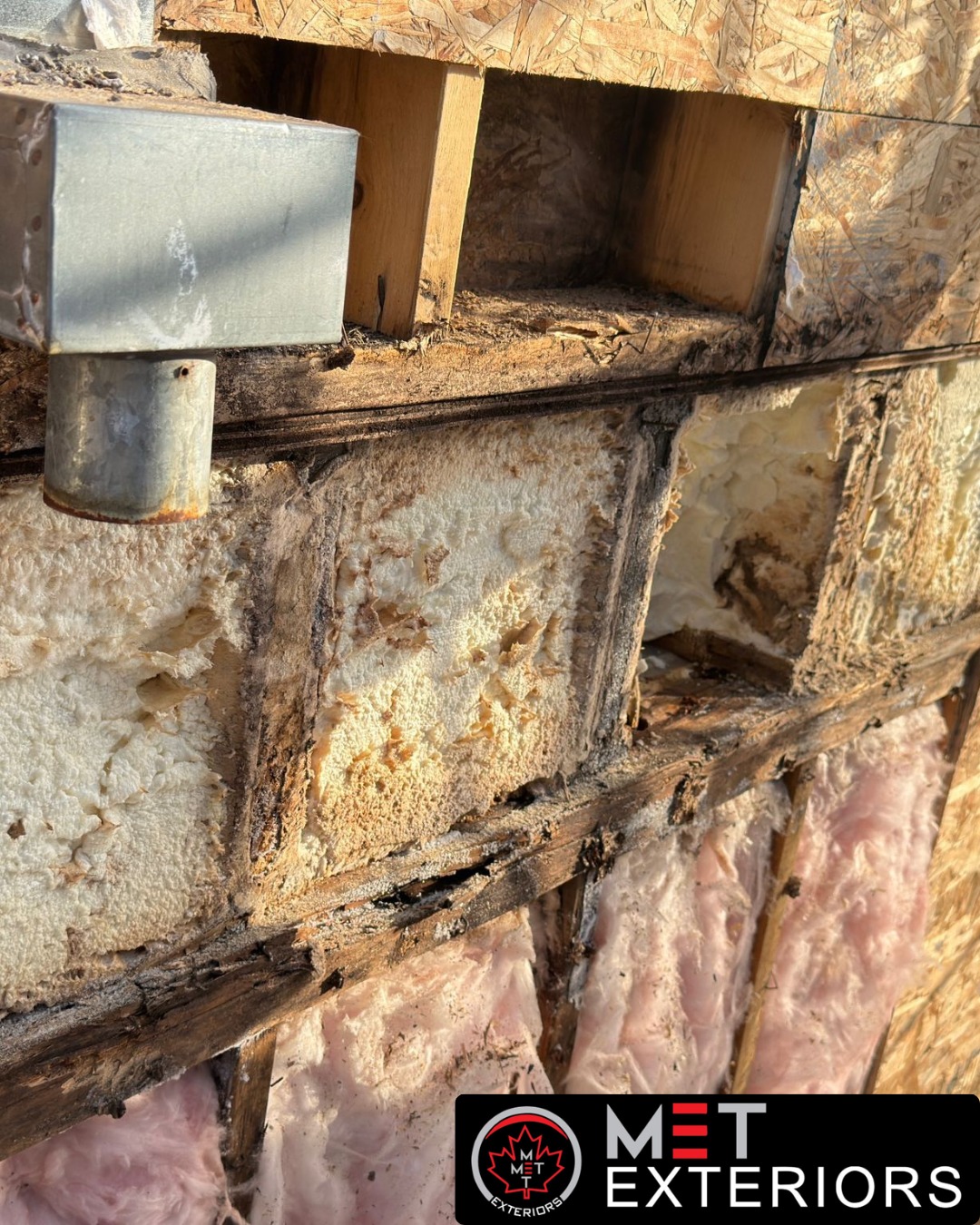
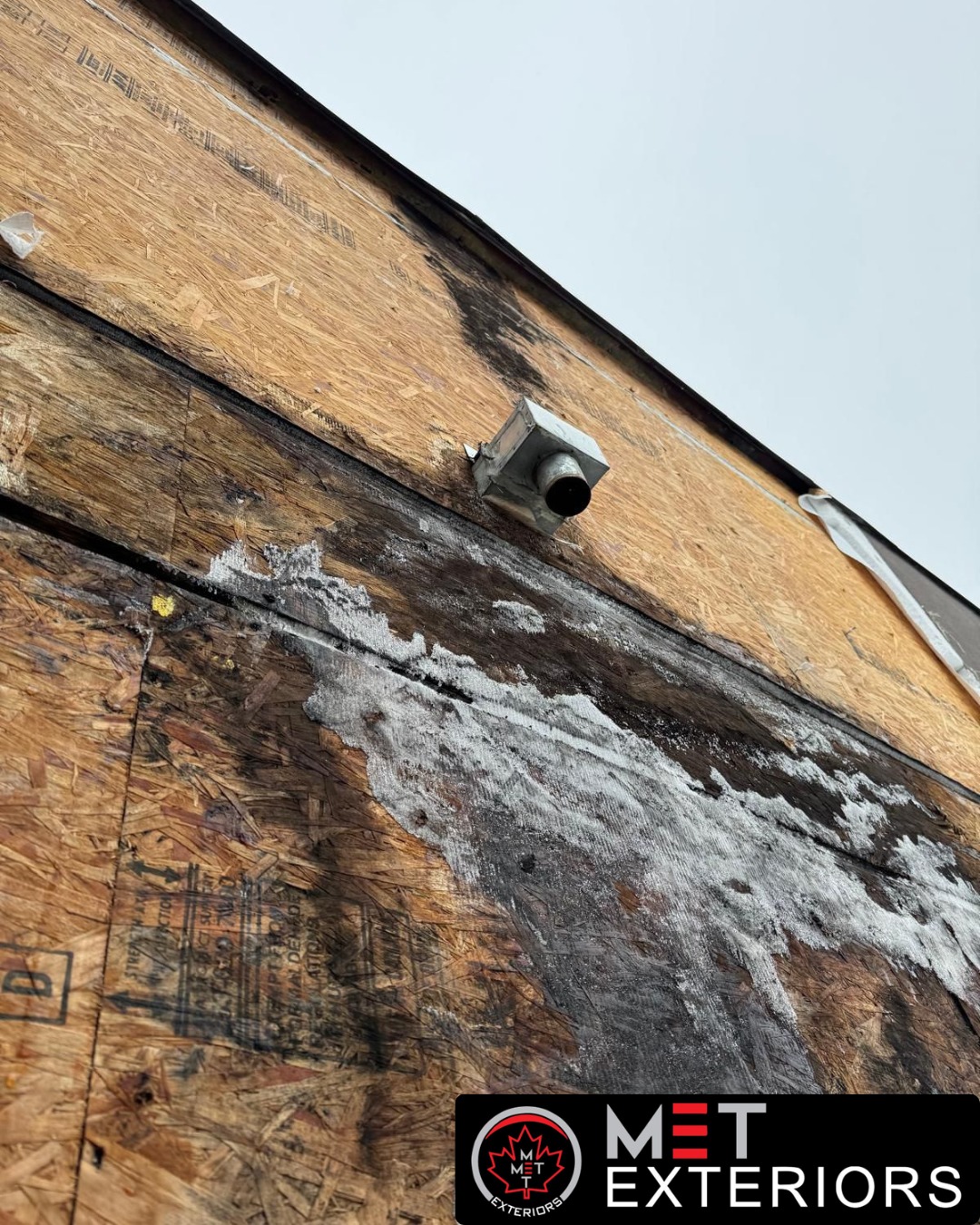
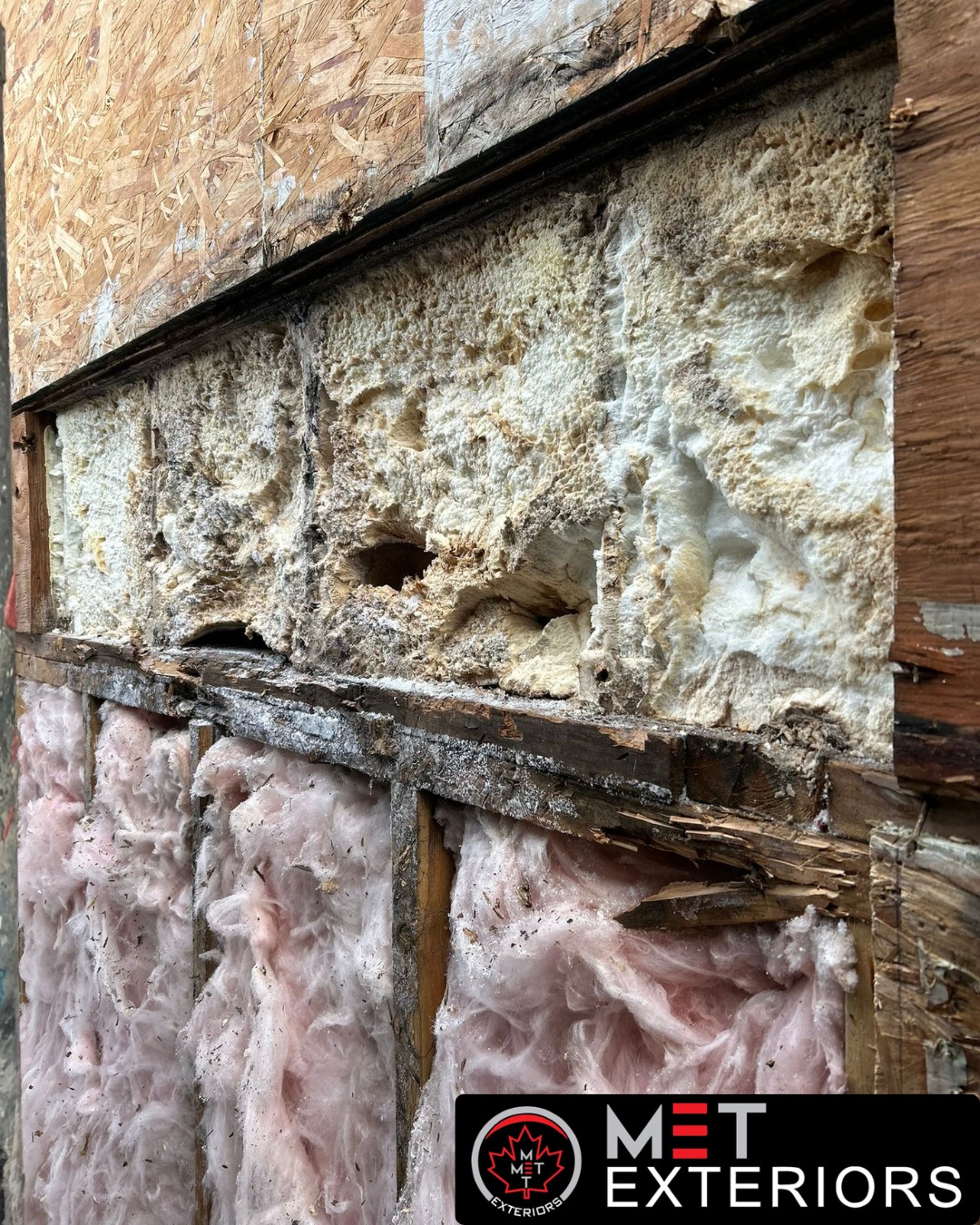
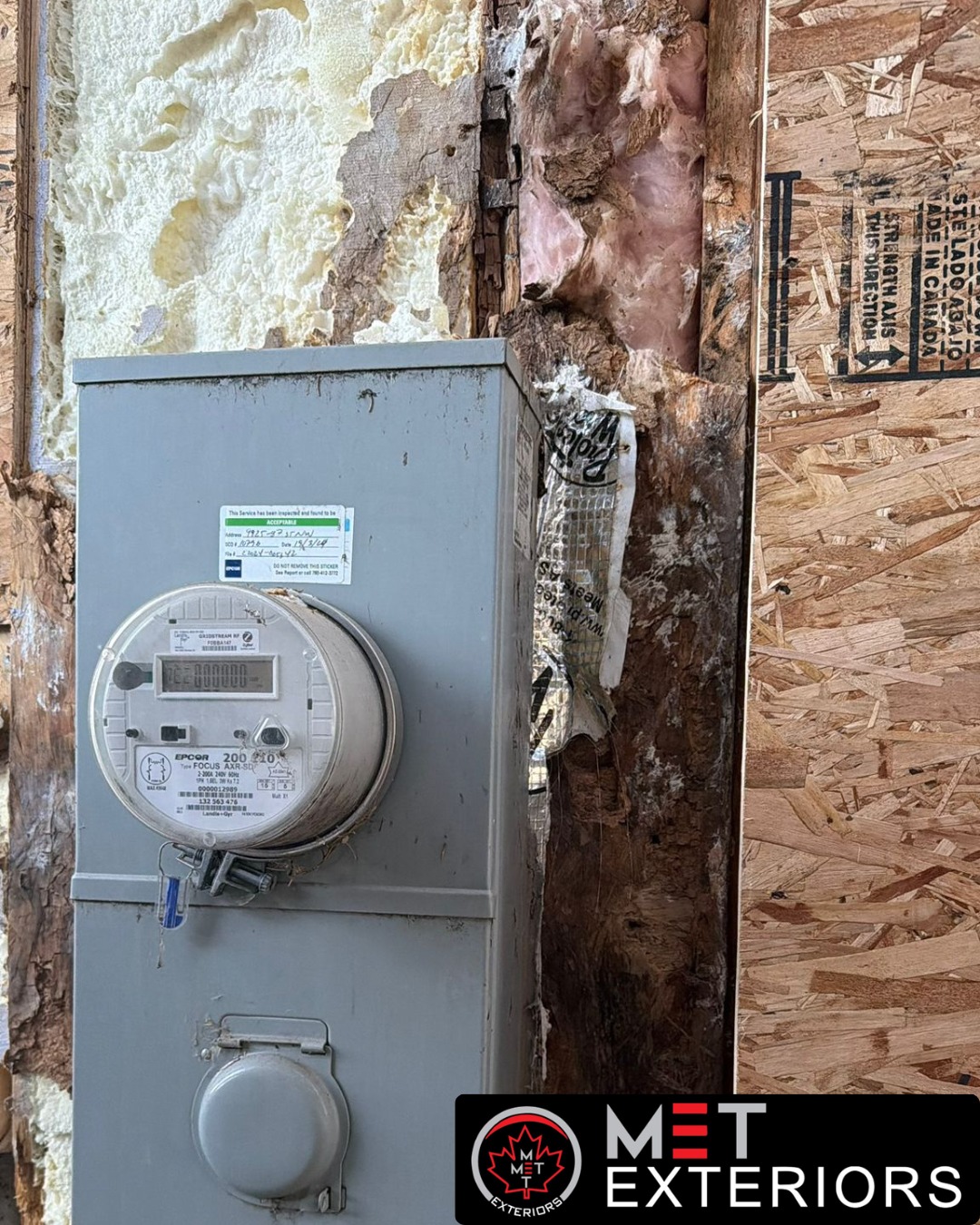
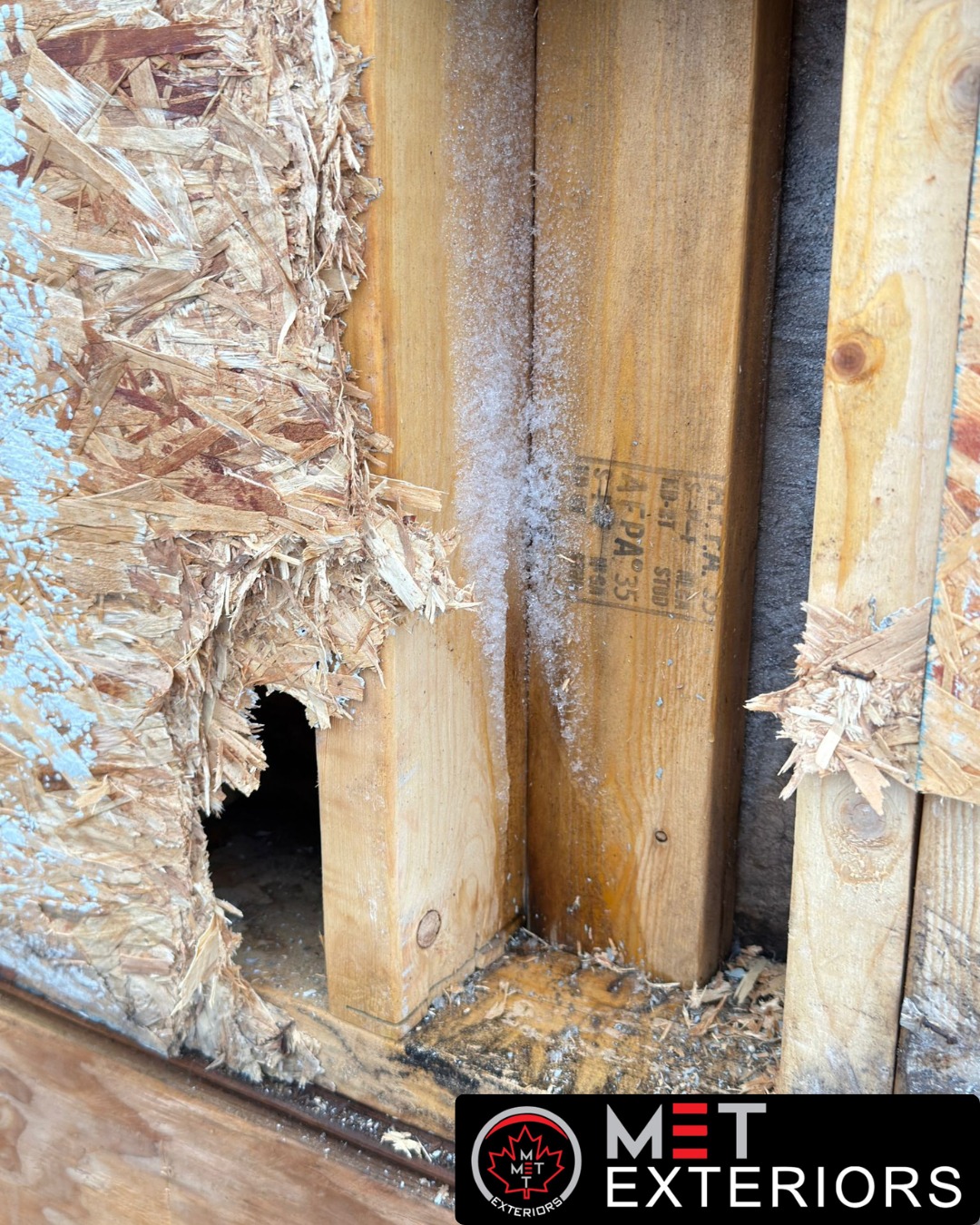
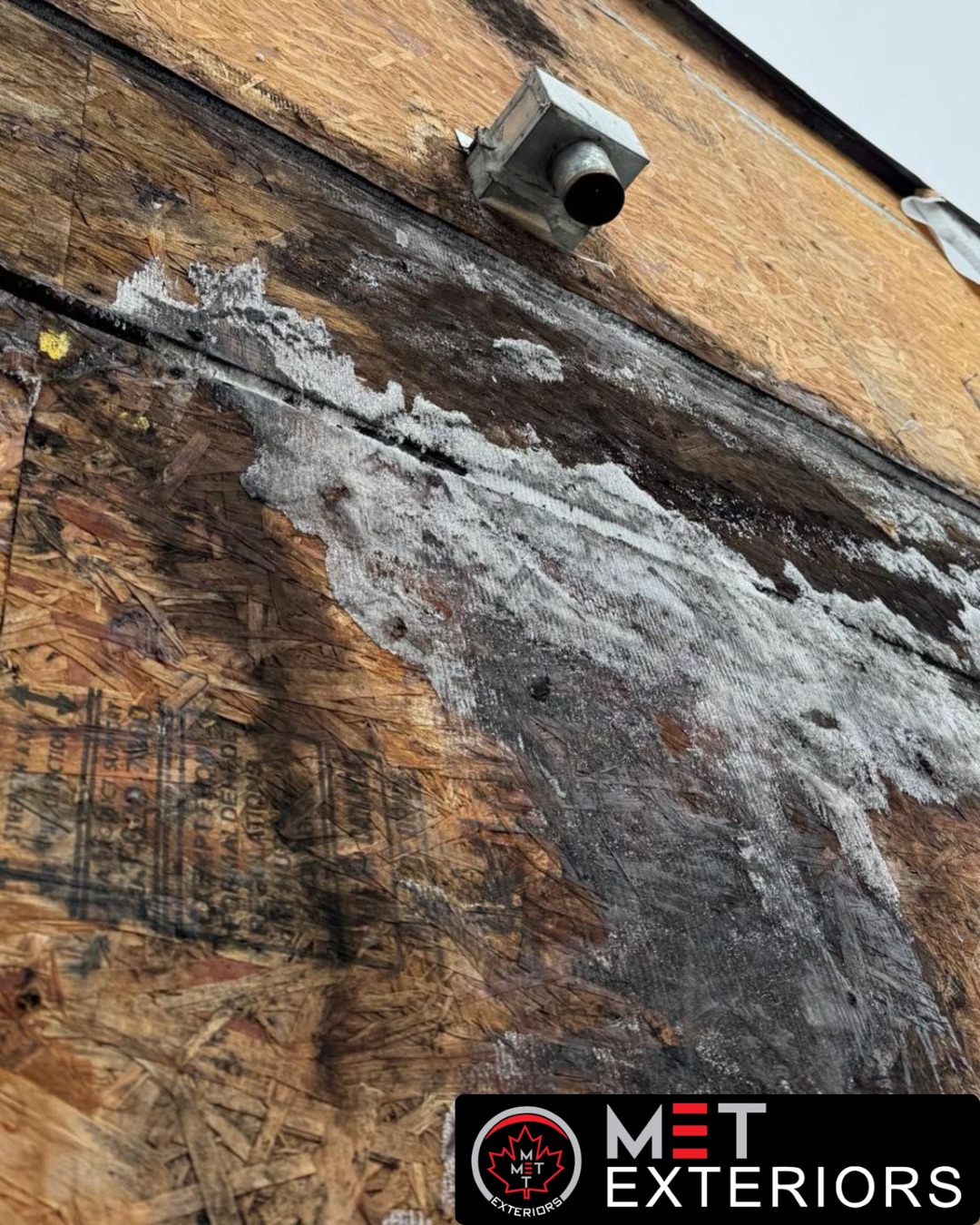
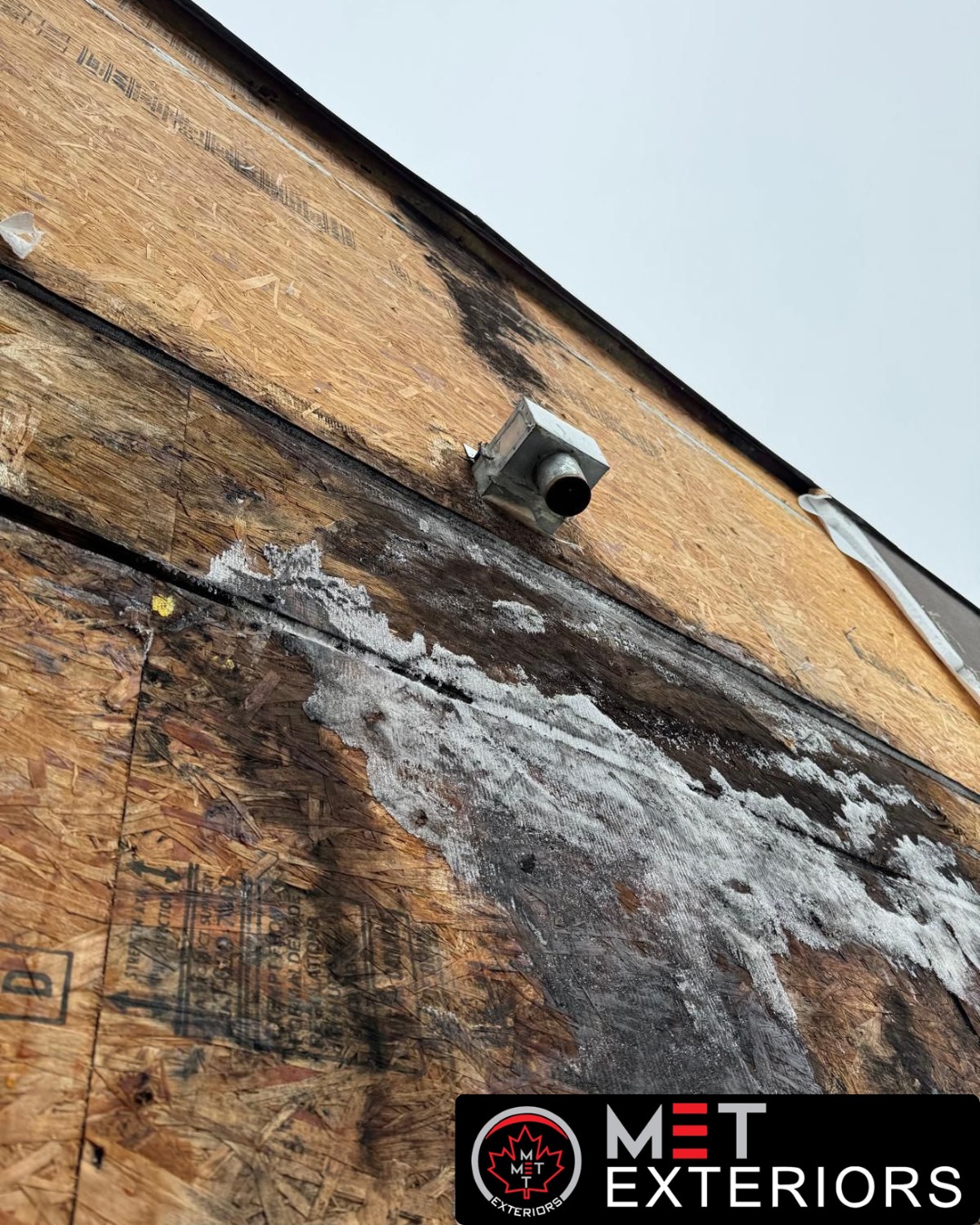
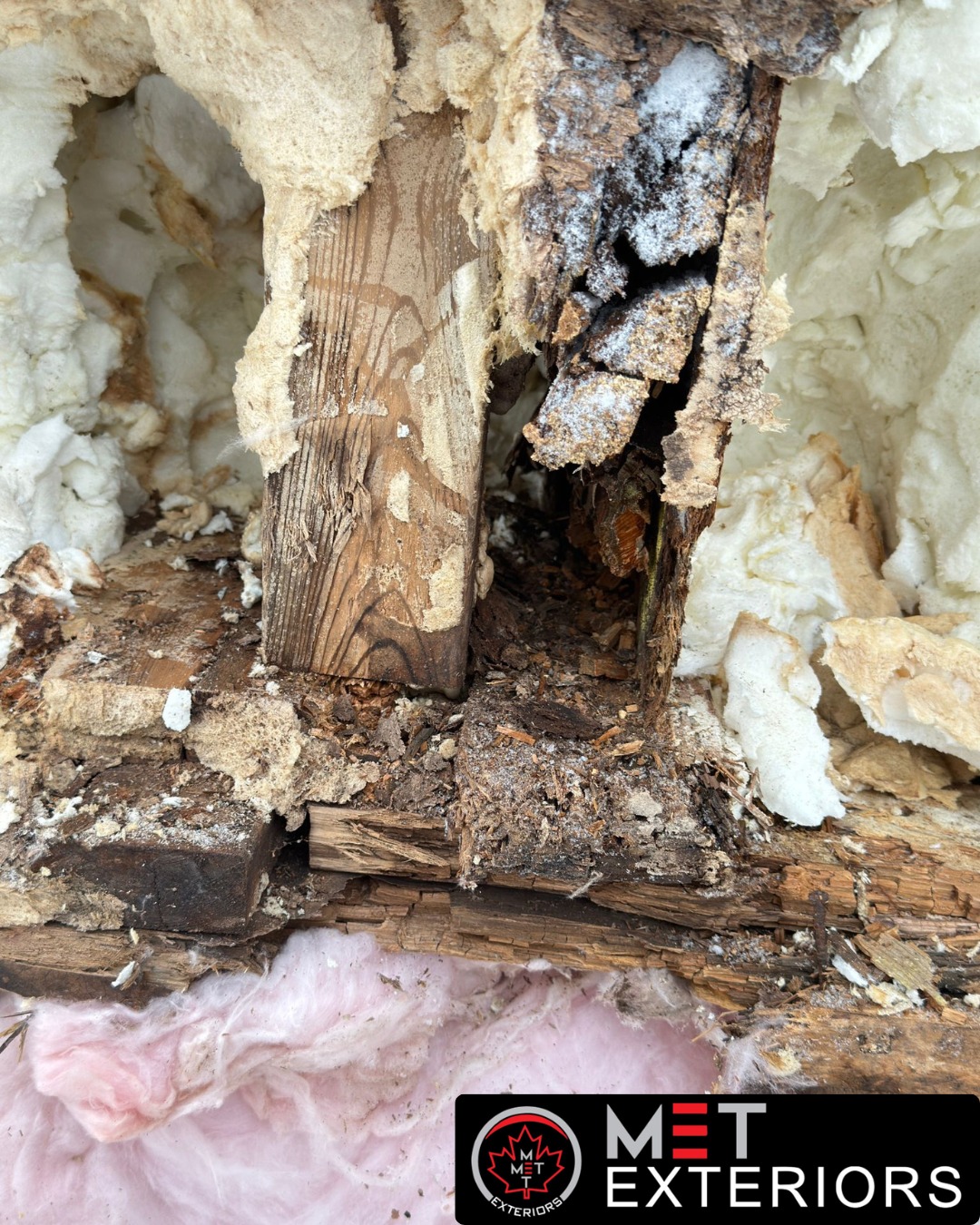
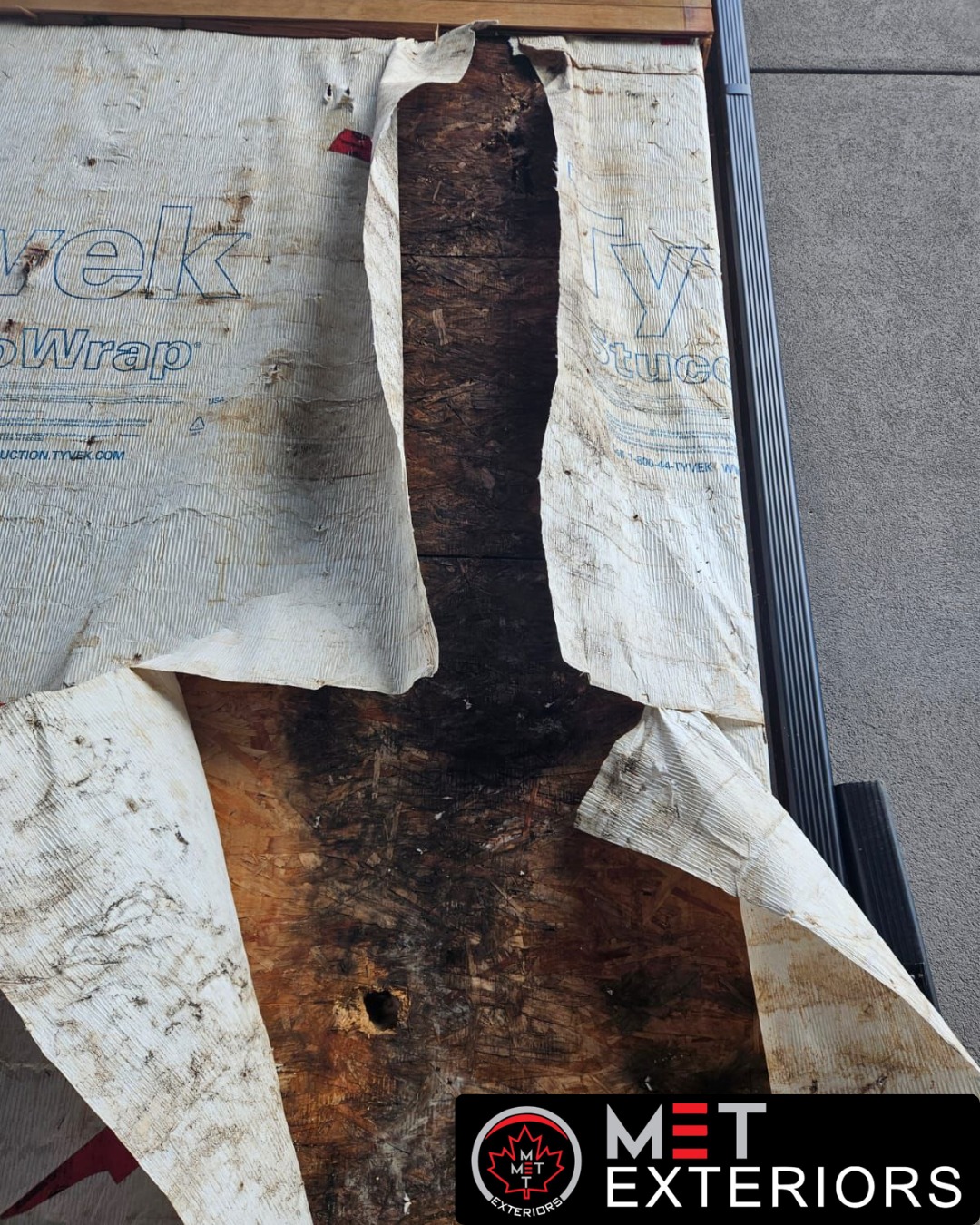
Flat roofs look modern and are common on infill homes, but they can also hide problems for a long time. One of the biggest issues we see is scupper-related leakage. By the time water shows up inside, the damage behind the walls or roof assembly may already be extensive.
Scuppers serve as vital components in the drainage system of flat roofs. By directing water away from the roof and preventing accumulation, they help avoid severe water damage. Regular maintenance and cleaning of scuppers are necessary to ensure they remain functional. Homeowners should schedule inspections at least twice a year, especially before and after heavy snowfall or rainy seasons.
Besides the common causes listed, there are often overlooked factors that can contribute to scupper failure. For instance, seasonal weather changes can cause expansion and contraction in roofing materials, leading to cracks and gaps that compromise the integrity of flashings around scuppers. Additionally, the accumulation of leaves and debris, particularly in the fall, can obstruct water flow, necessitating proactive cleaning measures.
If you are building, buying, or repairing a flat roof, you need to think twice before hiring just anyone. Flat roof drainage details are not forgiving, and cheap work often turns into expensive repairs.
What are scuppers and why do they fail?
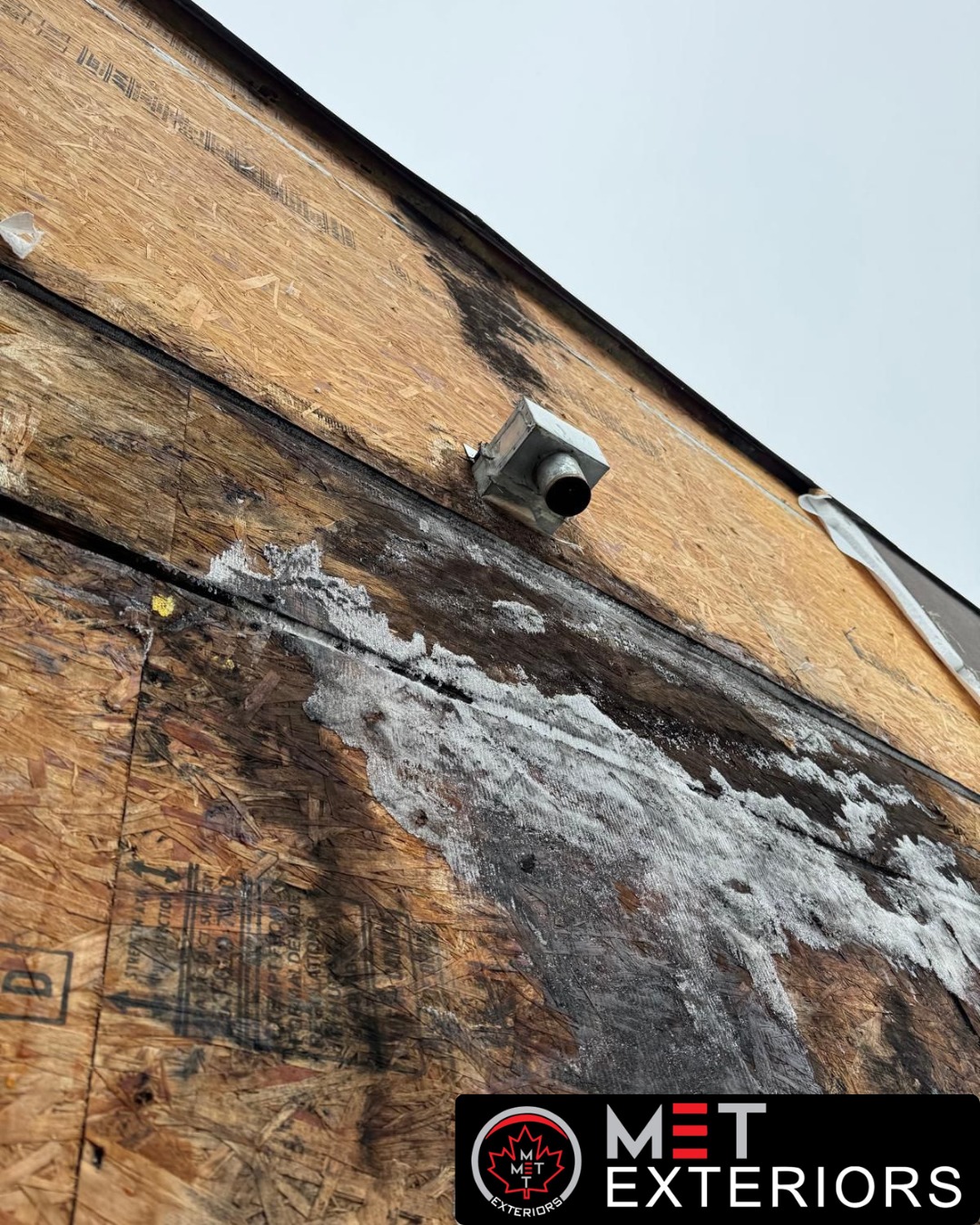
Scuppers are roof drainage openings that discharge water through a wall or parapet. When scuppers are poorly designed, improperly flashed, clogged, or installed without the right slope and waterproofing details, water can back up and find its way into the building envelope.
Common causes we see on infill flat roofs:
- improper membrane tie-in and flashing at the scupper throat
- weak or missing transitions at corners and penetrations
- poor slope or ponding water directing flow toward the wrong areas
- scuppers clogged by debris, ice, or snow buildup
- drainage outlets discharging where water can refreeze or back up into the wall assembly
The hard part is that scupper leaks often start as slow seepage, so the ceiling stain is usually the final warning, not the first.
Notably, many homeowners may not realize the significance of conducting regular visual inspections of the roof and scuppers. Simple actions like checking for visible debris or signs of rust can lead to early detection of potential problems. Being proactive in maintenance can save significant sums in repair costs in the long run.
Why “cheap” flat roof work becomes expensive
Investing in high-quality materials for flat roof systems cannot be overstated. Premium roofing materials come with extended warranties and greater durability, significantly reducing the likelihood of leaks and other issues. Moreover, understanding the specific conditions and requirements for your local climate can help tailor the roof system to your unique needs, enhancing its lifespan and effectiveness.
Flat roof systems require correct detailing, correct materials, and correct installation conditions. Cutting corners can lead to:
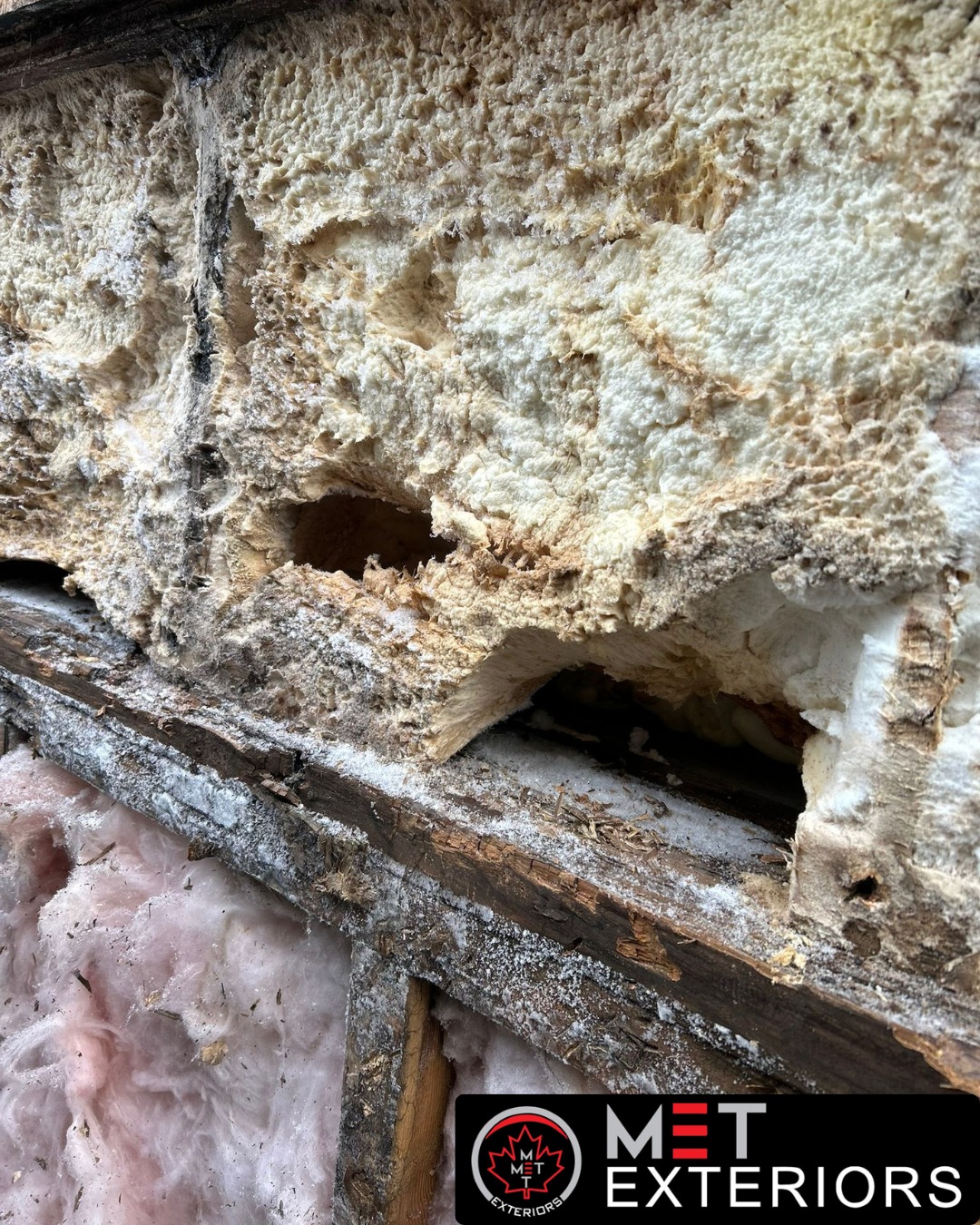
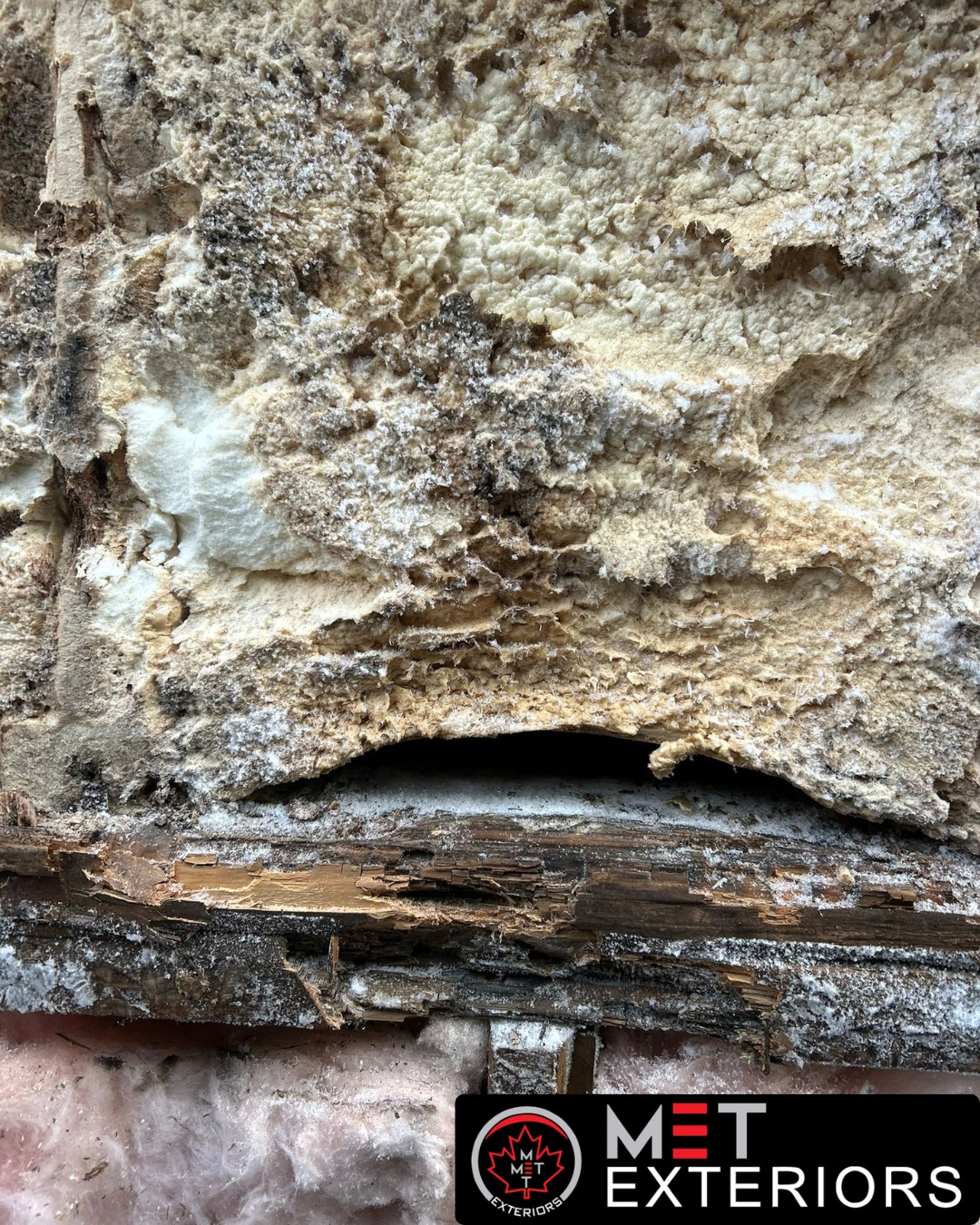
- moisture trapped in insulation and roof assemblies
- mold risk and interior damage
- rot in sheathing and framing
- repeated patch repairs that never solve the root cause
If you are installing or replacing a flat roof, use a reputable company that understands drainage design, membrane transitions, and scupper waterproofing. This is not an area where “lowest quote” wins.
Temperature and installation conditions matter
In Alberta, temperature swings are a major factor. Roofing membranes and sealants have manufacturer requirements for installation temperature and curing. When work is done in poor conditions without proper controls, bonds and seals can fail early and create long-term leak pathways.
Additionally, encouraging homeowners to consider investing in smart technology for roof monitoring can streamline maintenance efforts. Smart sensors can provide real-time updates on roof conditions, including moisture levels and potential leak detection, allowing for timely interventions before significant damage occurs.
In Alberta, the harsh winter conditions can lead to ice dam formations, which can block scupper outlets and further complicate drainage issues. Homeowners should be aware of the signs of ice dams, such as icicles forming along the edges of the roof, and take preventative measures to mitigate their formation.
Insurance coverage: slow leaks can become a claim problem
Fixing scupper leaks or poor drainage design is often more complex than it appears. Engaging a qualified roofing professional who can assess the situation thoroughly is crucial. They can recommend fixes that not only address the immediate issue but also consider the roof’s long-term health.
Understanding your insurance policy regarding water damage claims is crucial for homeowners. Policies can vary significantly, and being well-informed can help you navigate claims processes more effectively. Consulting with an insurance expert can provide clarity and may reveal additional protections that can be added to your policy.
Furthermore, expanding your knowledge about water damage and its causes can empower you as a homeowner. Engaging with educational resources, such as workshops or webinars on flat roofs and their maintenance, can provide valuable insights and practical tips for keeping your home safe.
Many homeowners assume water damage is automatically covered. In reality, coverage can depend on your policy wording and endorsements, and slow or long-term seepage is commonly treated differently than sudden, accidental water events. It’s important to review your policy and confirm what water protections you actually have. (This is general info, not insurance advice.)
Helpful reading:
- Insurance Bureau of Canada overview on water damage and optional coverages: https://www.ibc.ca/stay-protected/severe-weather-safety/flood-and-water
- Alberta-specific water coverage explanation (example resource): https://ama.ab.ca/articles/home-insurance-coverage-water-damage
If you have unresolved scupper or drainage issues, consider developing a maintenance schedule that includes periodic professional inspections and routine cleaning of scupper drains. This proactive approach can extend the life of your flat roof and minimize the risk of sudden leaks or other significant problems.
If you notice scupper leaking or staining, book an inspection immediately
Do not wait if you see:
- ceiling stains or bubbling paint near exterior walls
- damp drywall near parapets
- musty odours after rain or snowmelt
- visible cracking, gaps, or separation around scuppers
- recurring leaks that “go away” and come back
Early inspection is the difference between a targeted repair and major remediation.
Schedule a professional exterior inspection
Met Exteriors provides detailed exterior inspections that can help identify drainage-related building envelope issues before damage grows.
For more information on maintaining your flat roof and ensuring your home stays dry, visit our website at com/exterior-home-inspections/”>https://metexteriors.com/exterior-home-inspections/
In conclusion, addressing scupper issues is vital for maintaining the integrity of your flat roof system. Regular inspections, informed maintenance practices, and the knowledge of your insurance policy are all essential components that can prevent minor problems from escalating into major repairs.