EXTERIOR INSPECTIONS
Building-envelope insight from exterior contractors who understand how cladding systems are built, detailed and repaired.
Met Exteriors provides detailed exterior inspections for residential, commercial and multi-family properties in Edmonton and surrounding Alberta communities. We evaluate visible conditions, vulnerable transitions and signs of water intrusion or material failure so owners can make informed decisions about maintenance, repairs, restoration and further investigation.
RESIDENTIAL • COMMERCIAL • MULTI-FAMILY • RESTORATION
A Closer Look at the Exterior — Not a General Home Inspection
Our work is focused on exterior wall assemblies and cladding systems. We look at how materials meet, how water is managed, where deterioration is developing and whether visible conditions indicate the need for targeted testing, opening-up or specialist review.
An exterior inspection is especially valuable before purchasing a property, before a major renovation, when recurring leaks or staining appear, after storm or impact damage, or when cladding begins to crack, separate or deteriorate. Exterior finishes can look acceptable while moisture intrusion or deterioration is developing within concealed wall components. A focused exterior inspection can identify warning signs and areas that may justify further testing before a buyer takes on the property.
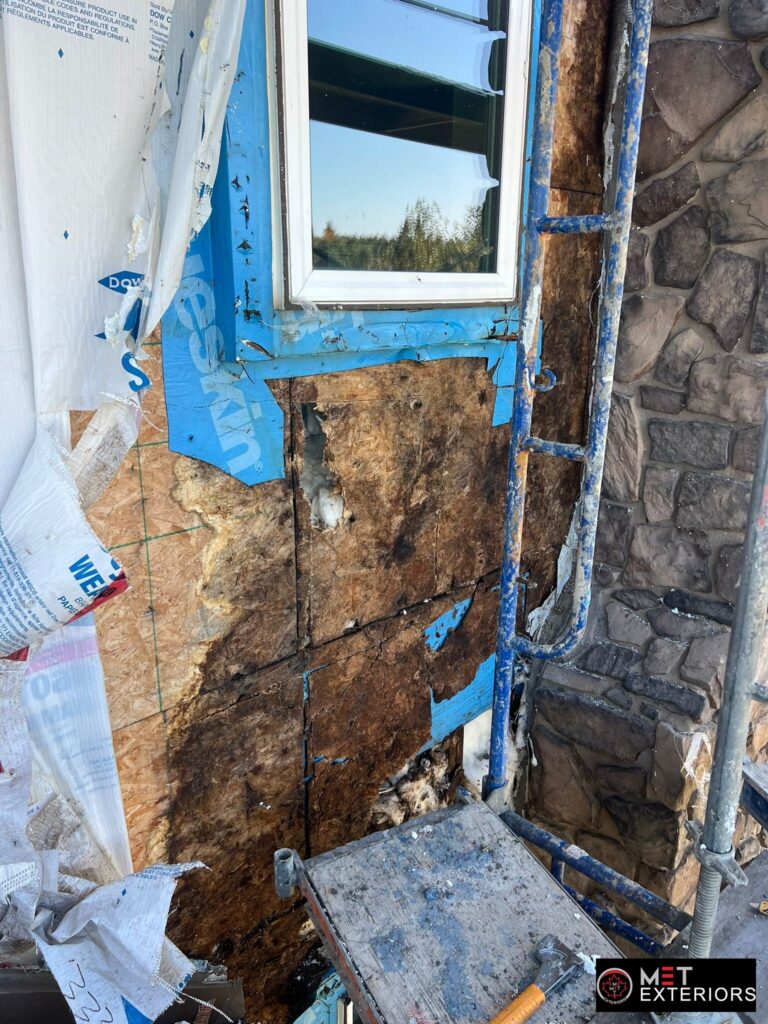
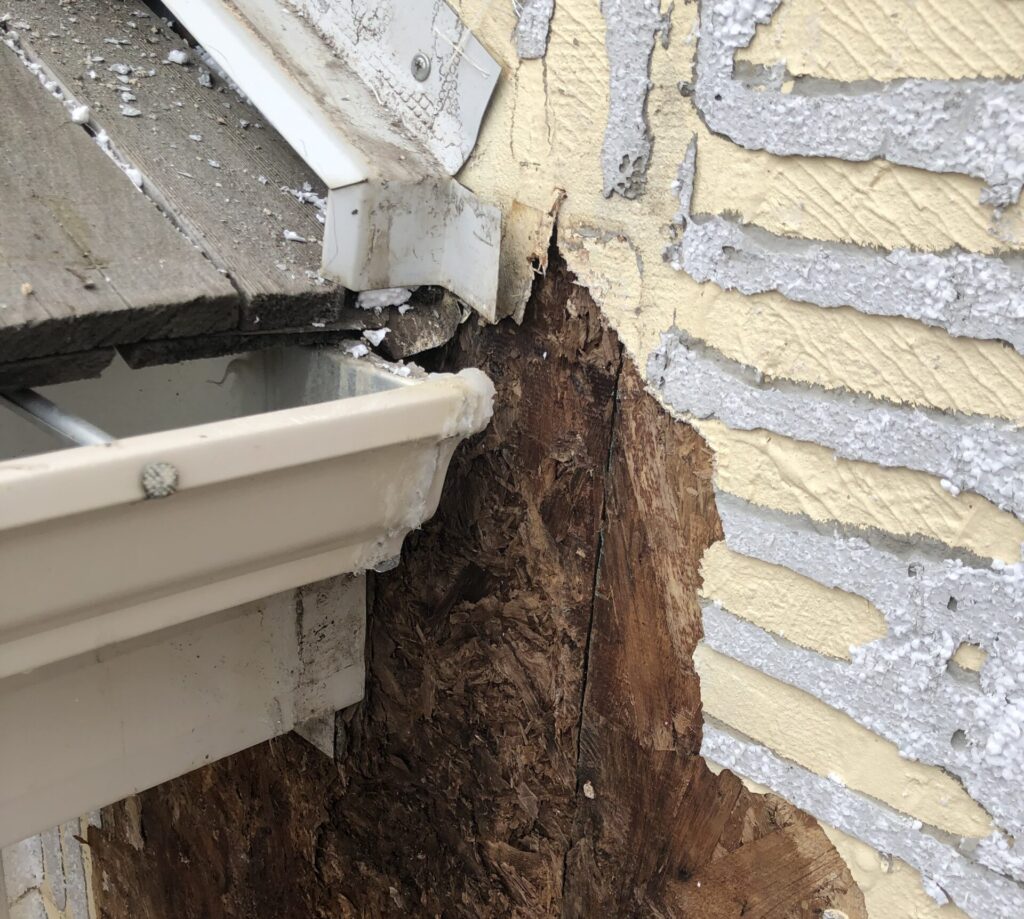
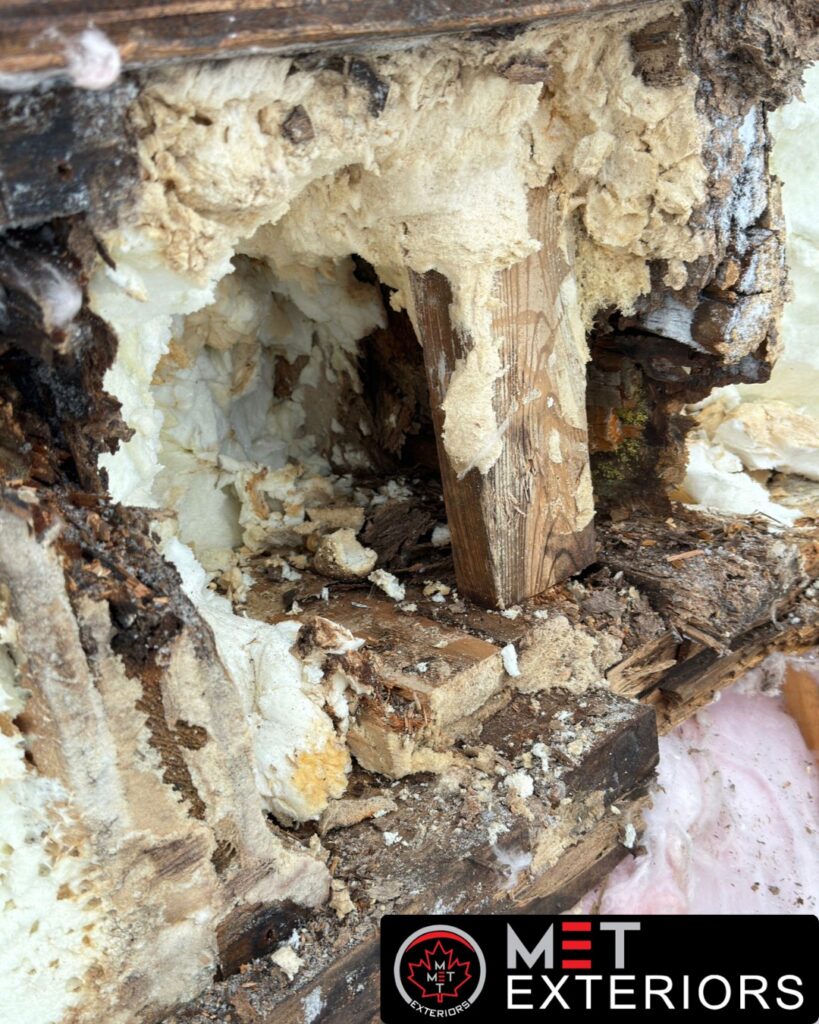
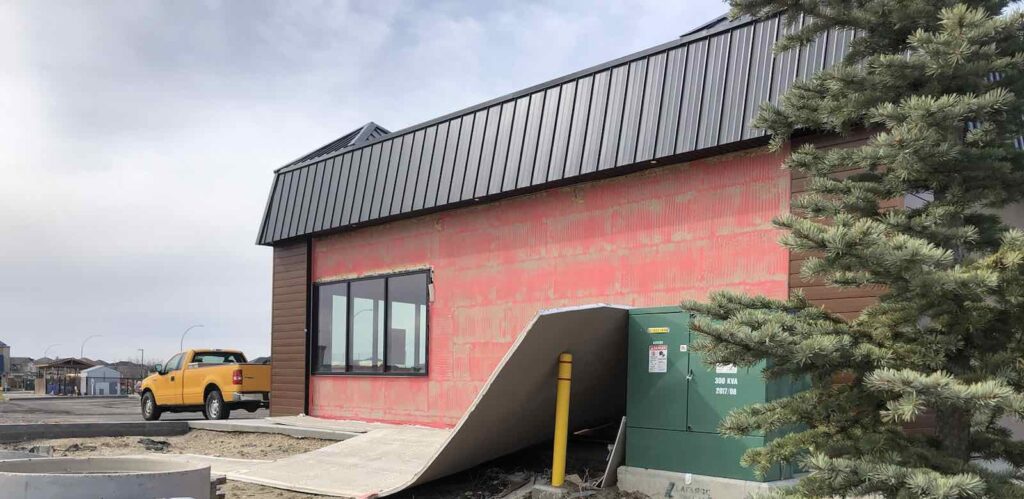
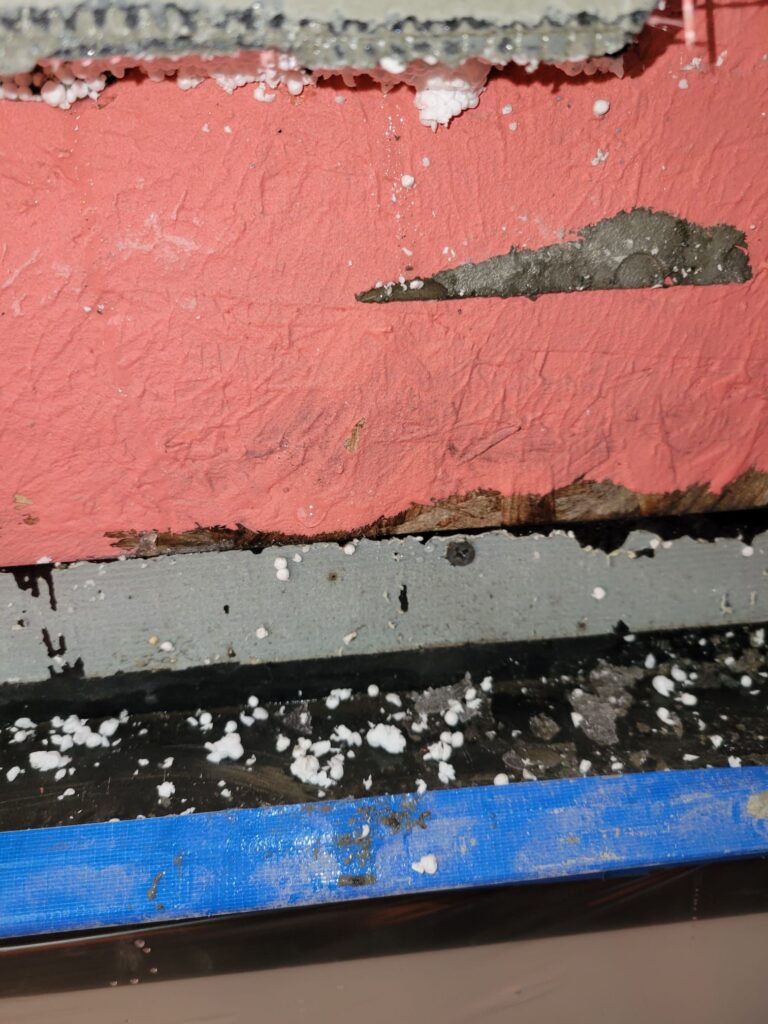
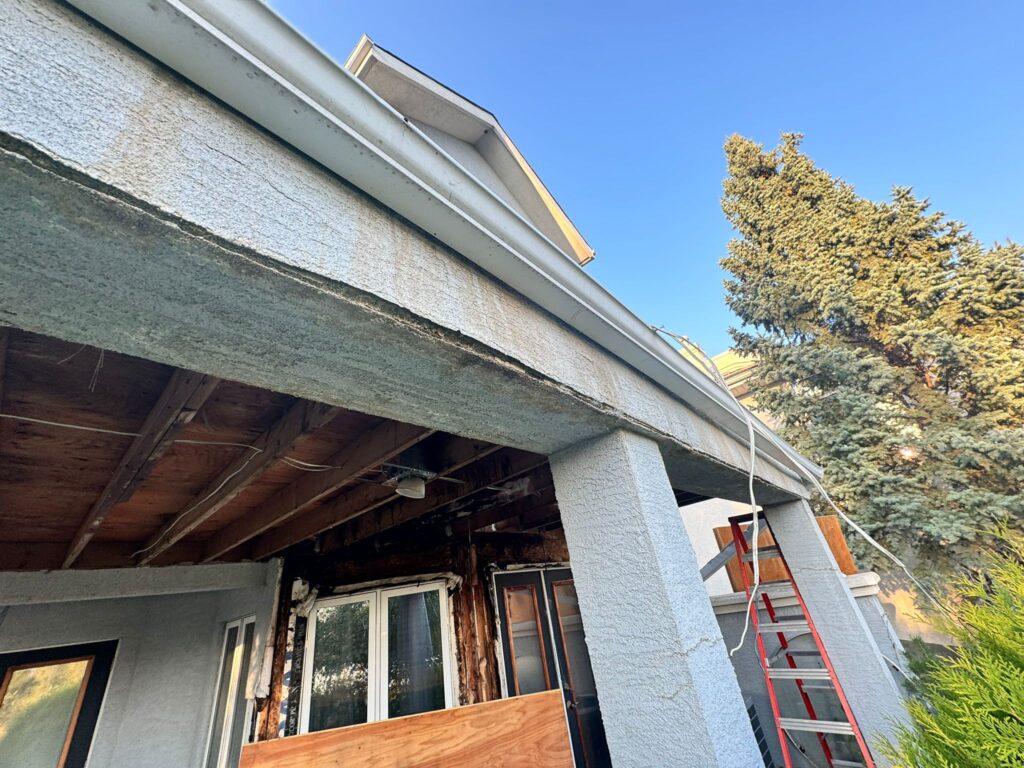
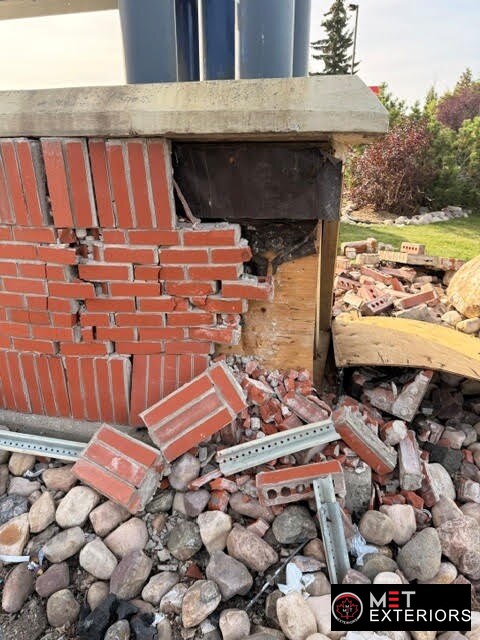
REAL CONDITIONS FOUND BEHIND EXTERIOR CLADDING
These are Met Exteriors project and inspection images—not stock photos. Exterior finishes can conceal significant moisture-related deterioration until the wall assembly is investigated.
What We Inspect
STUCCO INSPECTIONS
We inspect traditional and cementitious stucco for cracking, delamination, staining, failed sealants, vulnerable terminations, flashing deficiencies and visible signs of moisture-related deterioration.
EIFS INSPECTIONS
EIFS requires careful attention to sealants, penetrations, terminations, impact damage, drainage, flashing and moisture-entry paths. Problems can develop behind the finished surface before obvious exterior symptoms appear.
BRICK & MASONRY INSPECTIONS
We assess brick and masonry for cracking, mortar deterioration, displacement, efflorescence, damaged units, weep locations, flashings and transitions where water can enter the wall assembly.
STONE CLADDING INSPECTIONS
Natural and manufactured stone systems are reviewed for loose or cracked units, failed mortar joints, staining, movement, attachment concerns, flashings and water-management details.
METAL CLADDING INSPECTIONS
Metal panels and siding are inspected at joints, penetrations, flashings, openings, terminations and sealant locations, with attention to drainage, corrosion, movement and installation-related concerns.
OTHER EXTERIOR CLADDING SYSTEMS
We also inspect fibre-cement/James Hardie, siding, cement-board stucco assemblies and mixed cladding systems, together with windows, doors, parapets, scuppers, soffit, fascia, chimneys and critical transitions.
Roof-to-wall intersections deserve close attention when investigating leaks. Our kick-out flashing and water-damage guide explains how flashing, gutters and the wall drainage plane should work together.
Loose stone can require investigation of the bond, substrate and moisture-management details. Read our exterior stone detachment and repair guide for warning signs and next steps.
Commercial masonry and roof-edge deterioration can require closer investigation after severe weather. See our commercial block wall maintenance and repair guide for visible warning signs and assessment considerations.
Following a wind event, displaced exterior cladding should be assessed before repairs begin. Our guide to EIFS wind damage and exterior safety explains warning signs and the need for on-site investigation.
Investigation Beyond a Visual Walk-Through
Where appropriate to the scope and site conditions, our inspection process can incorporate high-resolution photography, drone-assisted viewing of difficult-to-access exterior areas and controlled water testing to help isolate suspected leak paths.
When concealed conditions or structural concerns require engineering, destructive investigation or laboratory testing, we identify the need for the appropriate next step rather than presenting assumptions as confirmed findings.
Inspection Tools & Methods
• Detailed visual exterior assessment
• High-resolution condition photography
• Drone-assisted access where appropriate
• Controlled water testing when included in scope
• Review of cladding transitions and drainage details
• Repair and further-investigation recommendations
Why Exterior Inspection Matters — Especially Before You Buy
Before buying a property: A building can look well maintained from the street while moisture damage, deteriorated sheathing, failed flashing or other concealed conditions are developing behind the cladding. A specialized exterior inspection can identify warning signs before purchase and help determine whether targeted testing or further investigation is appropriate.
Hidden damage is not always visible: Water can enter at windows, doors, roof-to-wall transitions, parapets, scuppers, penetrations and failed cladding details. The visible exterior finish may not show the full extent of a concealed problem.
Do not assume insurance will pay for an existing problem: Property insurance is not a substitute for due diligence. Coverage depends on the policy and cause of loss, and exclusions or limitations can apply to wear, deterioration, maintenance issues and damage that develops gradually over time. A claim may therefore not be covered simply because damage is discovered after purchase.
Water intrusion or staining: Recurring leaks, wet areas, staining, efflorescence or deterioration may indicate a problem with exterior water management.
Before exterior renovation: Understanding existing conditions helps define repair priorities before new cladding or finishes are installed.
Commercial and multi-family maintenance planning: Periodic condition reviews can help owners and property managers prioritize exterior maintenance and capital repairs.
Exterior Inspection Pricing
Exterior inspections start at $750.
Our minimum charge for an exterior inspection is $750. More detailed inspections are priced according to the property, size and complexity of the exterior, accessibility, number of cladding systems, known concerns and the level of investigation or documentation required.
Additional charges may apply when the agreed scope includes extensive photographic documentation, drone-assisted access, controlled water testing, multiple elevations or buildings, detailed written reporting, return visits, targeted investigation or coordination with other specialists.
Met Exteriors will confirm the inspection scope and applicable pricing before proceeding.
Our Exterior Inspection Process
01
Define the concern
We review the property type, known symptoms and the purpose of the inspection so the scope is clear.
02
Inspect & document
We assess accessible exterior components and document relevant conditions with photographs and field observations.
03
Identify priorities
Findings are organized around observed deficiencies, vulnerable details and items requiring further investigation.
04
Plan next steps
You receive practical direction for maintenance, repair, targeted testing or specialist review where appropriate.
Exterior Inspection Conditions We Encounter
Real Met Exteriors inspection and repair documentation showing why different cladding systems and building-envelope details require system-specific evaluation.

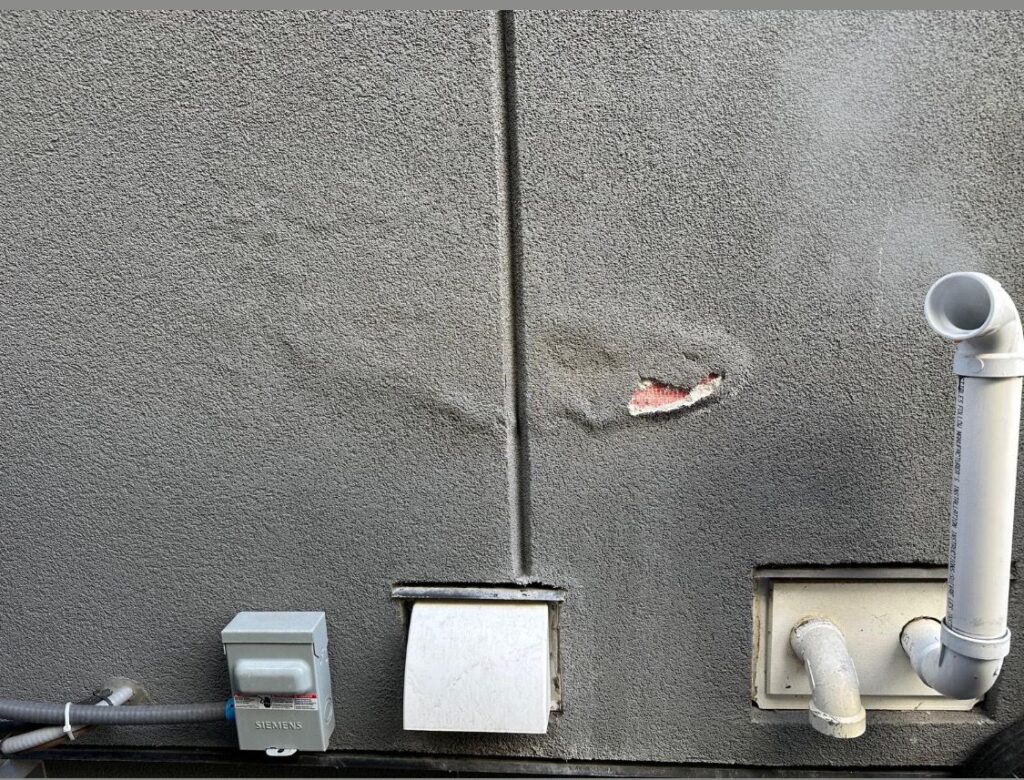
Older Buildings: Small Maintenance Issues Can Become Major Exterior Problems
Older homes and commercial buildings often have exterior components that have been exposed to decades of weather, repairs and changing maintenance practices. Some problems develop gradually and receive little attention because they are above the normal line of sight or do not produce an obvious interior leak right away.
An exterior inspection should therefore look beyond the wall finish. Roof-edge drainage, chimney protection, metal caps, parapets, gutters, eavestroughs and downspouts can all influence how water is moved away from the building envelope.
Chimney Caps & Flashings
On older homes, chimney caps, crowns and surrounding flashings may be missing, deteriorated, undersized or no longer effectively directing water away from the masonry and wall assembly. Because these areas are difficult to see from grade, deterioration can continue for years before the owner notices a problem.
Commercial Metal & Parapet Caps
Commercial buildings may have older sheet-metal caps, parapet flashings, joints and sealants that have received limited maintenance. Movement, open joints, corrosion, failed sealants or poor terminations can create vulnerable water-entry locations at the top of the exterior wall.
Gutters, Eavestroughs & Downspouts
Leaves, debris and seasonal buildup can restrict gutters and eavestroughs. Overflowing water may run against fascia, soffit, cladding, windows or foundations instead of being carried safely away. Regular cleaning and checking downspout discharge is an important part of exterior maintenance.
Drainage Capacity During Heavy Rain
Some existing homes have smaller or older eavestrough and downspout systems. During intense rainfall, restricted, poorly sloped or inadequately sized drainage components may overflow rather than move roof water away efficiently. An inspection can identify visible overflow evidence and drainage concerns that deserve maintenance, correction or further assessment.
Seasonal Exterior Maintenance Matters
Exterior maintenance should not begin only after water appears inside. Property owners should periodically review gutters, downspouts, chimney components, roof-to-wall transitions, sealants, metal caps and visible cladding conditions—particularly after winter, freeze-thaw cycles, major storms and before periods of heavy rainfall.
Finding and correcting a drainage or flashing deficiency early can be far less disruptive than discovering concealed wall deterioration after years of moisture exposure.
Exterior Damage & Insurance: What Property Owners Should Understand
One of the most common misunderstandings we encounter during exterior investigations is the assumption that a home or commercial property insurance policy will automatically pay for damage once it is discovered. Insurance does not work that way. Coverage depends on the wording of the individual policy, the cause of loss, applicable endorsements, exclusions and the facts surrounding the damage.
Property insurance is generally designed around insured losses and is not a maintenance contract. Sudden and accidental events may be treated very differently from deterioration that has developed gradually over months or years.
Why Long-Term Exterior Problems Can Become an Insurance Issue
Depending on the policy, coverage may be limited or excluded where damage is associated with wear and tear, deterioration, poor maintenance, repeated or ongoing water entry, or other conditions excluded by the contract. For example, a small flashing or sealant deficiency can allow moisture into an exterior wall for a long period before interior staining or visible deterioration finally appears.
The fact that damage was hidden does not by itself determine whether it is insured. The insurer will investigate the cause, timing and policy wording. This is why owners should report suspected losses promptly and ask their insurer or broker to explain applicable coverage, limits and exclusions.
Before Buying a Property: Do Not Rely on Future Insurance
A buyer should not purchase a property with the assumption that an insurance policy will later correct an existing exterior or building-envelope problem. Concealed moisture damage, deteriorated sheathing, failed flashings and long-term leakage may already be present even when the finished exterior looks acceptable.
A focused exterior inspection before purchase can help identify warning signs, vulnerable transitions and areas where further investigation may be justified. It cannot reveal every concealed condition without opening the assembly, but it can provide important information before a buyer accepts the financial risk of the property.
Documentation Matters
When exterior damage is discovered, document the conditions before repairs conceal the evidence. Photographs, dates, weather conditions, observed symptoms, testing results and the locations of deficiencies can help establish a clearer record. Contact the insurer promptly when a potentially insured loss is suspected.
Met Exteriors does not determine insurance coverage and does not guarantee that a claim will be accepted. Coverage decisions belong to the insurer under the applicable policy. Our role is to document exterior conditions accurately and provide evidence-based observations within the agreed inspection scope.
Inspection Integrity — No False or Misleading Reports
Met Exteriors will not prepare, alter or support a false or misleading inspection report for a property owner, buyer, seller, contractor, insurer or any other party. Findings must be supported by observed conditions, photographs, testing performed within the agreed scope and other available evidence. We will not change documented findings simply to support a preferred insurance, legal, real-estate or repair outcome.
If a condition cannot be verified, it will not be presented as a confirmed fact. Where concealed conditions, structural concerns or causation require destructive investigation, engineering or another specialist, the report should identify that limitation and recommend the appropriate next step.
Building Envelope Transitions Deserve Special Attention
Many exterior failures develop where two systems meet. Transitions between EIFS and brick, stucco and stone, metal cladding and masonry, siding and stucco, windows and wall assemblies, roof-to-wall intersections, parapets, scuppers and penetrations depend on coordinated flashing, drainage, sealants and installation details.
With years of hands-on exterior construction and restoration experience, Met Exteriors understands how these assemblies are installed and where problems commonly develop. Identifying warning signs early can help owners address deficiencies before they become substantially larger and more expensive building-envelope problems.
Clear Findings. Practical Next Steps.
The purpose of an exterior inspection is to turn visible symptoms into a clearer plan. Depending on the agreed scope, findings can be documented with photographs, observations and recommendations that help property owners, managers and project teams understand what should be monitored, repaired or investigated further.
Met Exteriors brings hands-on experience with EIFS, stucco, masonry, stone, siding, flashings and exterior restoration. That trade background helps us evaluate exterior conditions in the context of how these systems are actually installed and repaired.
Concerned About Your Building Exterior?
Schedule an exterior inspection with Met Exteriors in Edmonton. We inspect residential, commercial and multi-family properties and can help identify the appropriate next step for exterior deterioration, suspected moisture entry, cladding damage or renovation planning.
Building-Envelope Inspections and Exterior Water Testing
An Edmonton exterior inspection can help investigate staining, recurring leaks, cladding deterioration and vulnerable material transitions. Controlled water testing may be included in an agreed investigation scope to help evaluate a suspected entry path; it is not automatically part of every visual assessment.
For a commercial or multifamily property, send the building location, photographs, affected elevations, leak history, available drawings and access restrictions. We will define the assessment and documentation requirements before proceeding. Concealed conditions may require selective opening or specialist review.
Read about building-envelope transition failures and flat-roof scupper leak problems, or contact Met Exteriors about an exterior moisture investigation.