BUILDING ENVELOPE TRANSITION FAILURES | EDMONTON & ALBERTA
Why water intrusion often begins where different cladding systems, openings, roofs and exterior assemblies meet.
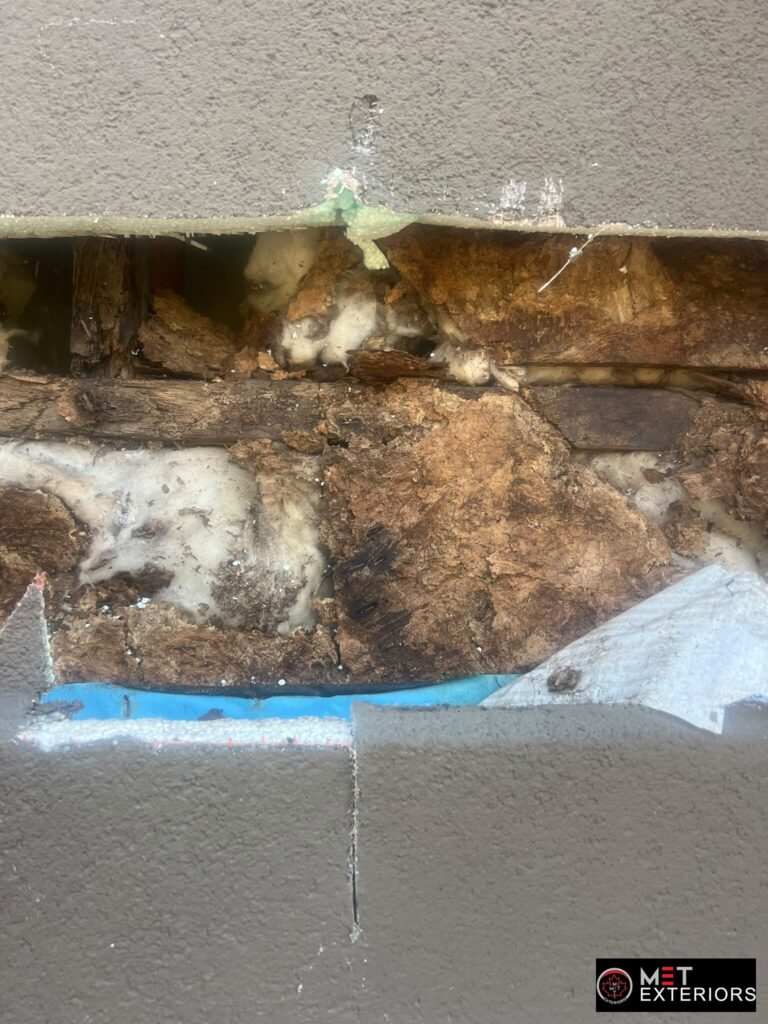
The Building Envelope Must Work as One Continuous System
A building envelope is not simply a collection of exterior finishes. Stucco, EIFS, stone, brick, fibre-cement siding, metal cladding, windows, doors, roofs and decks must connect through properly sequenced membranes, flashings, drainage paths and movement joints.
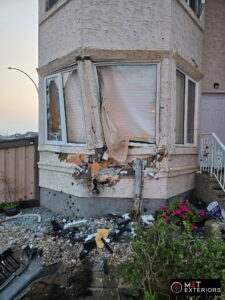
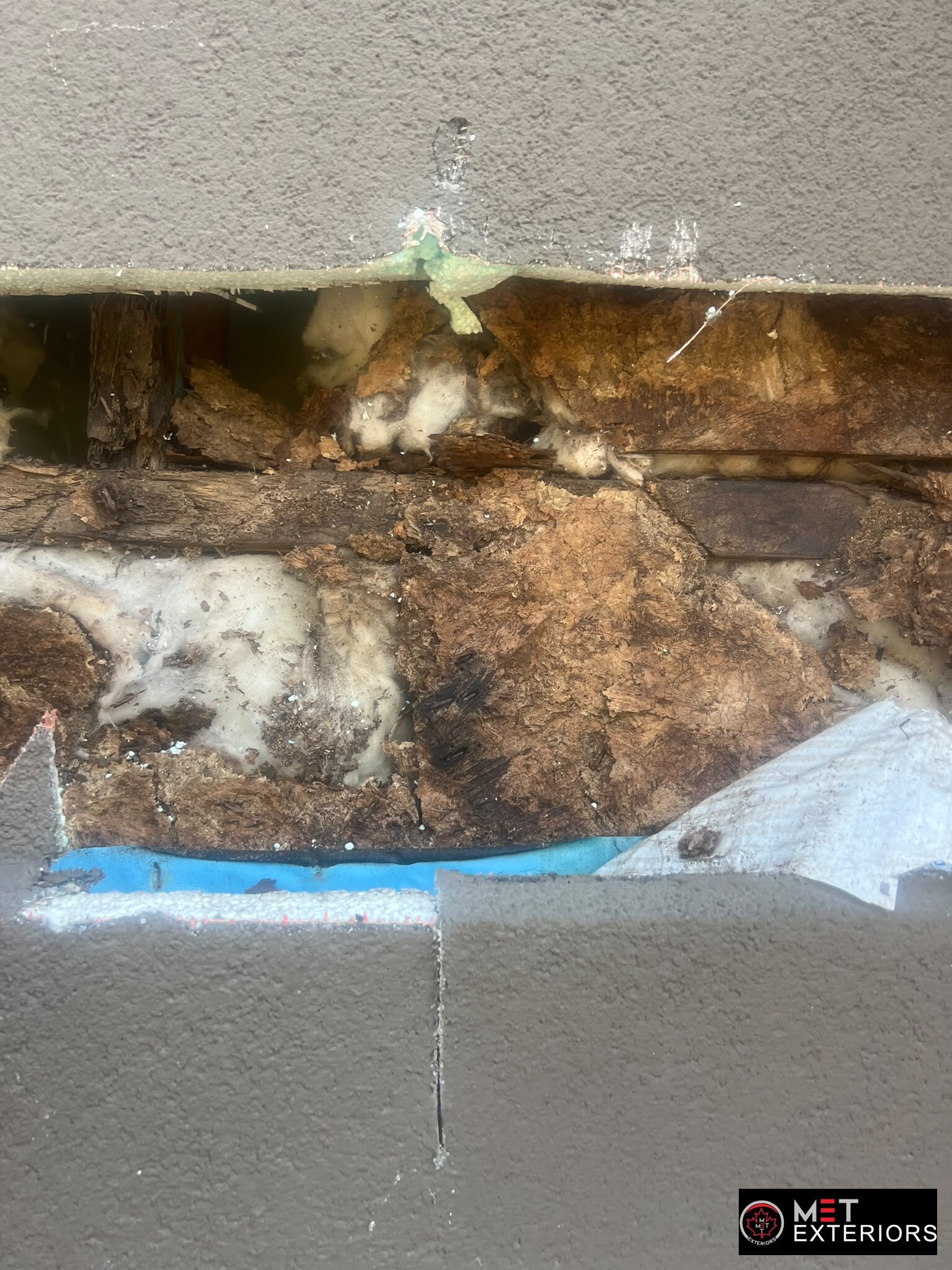
When continuity is lost at a transition, water can move behind the visible cladding and remain concealed. The exterior may show only minor staining or sealant deterioration while sheathing, framing and other concealed materials experience much more significant moisture exposure.
What Is a Building-Envelope Transition?
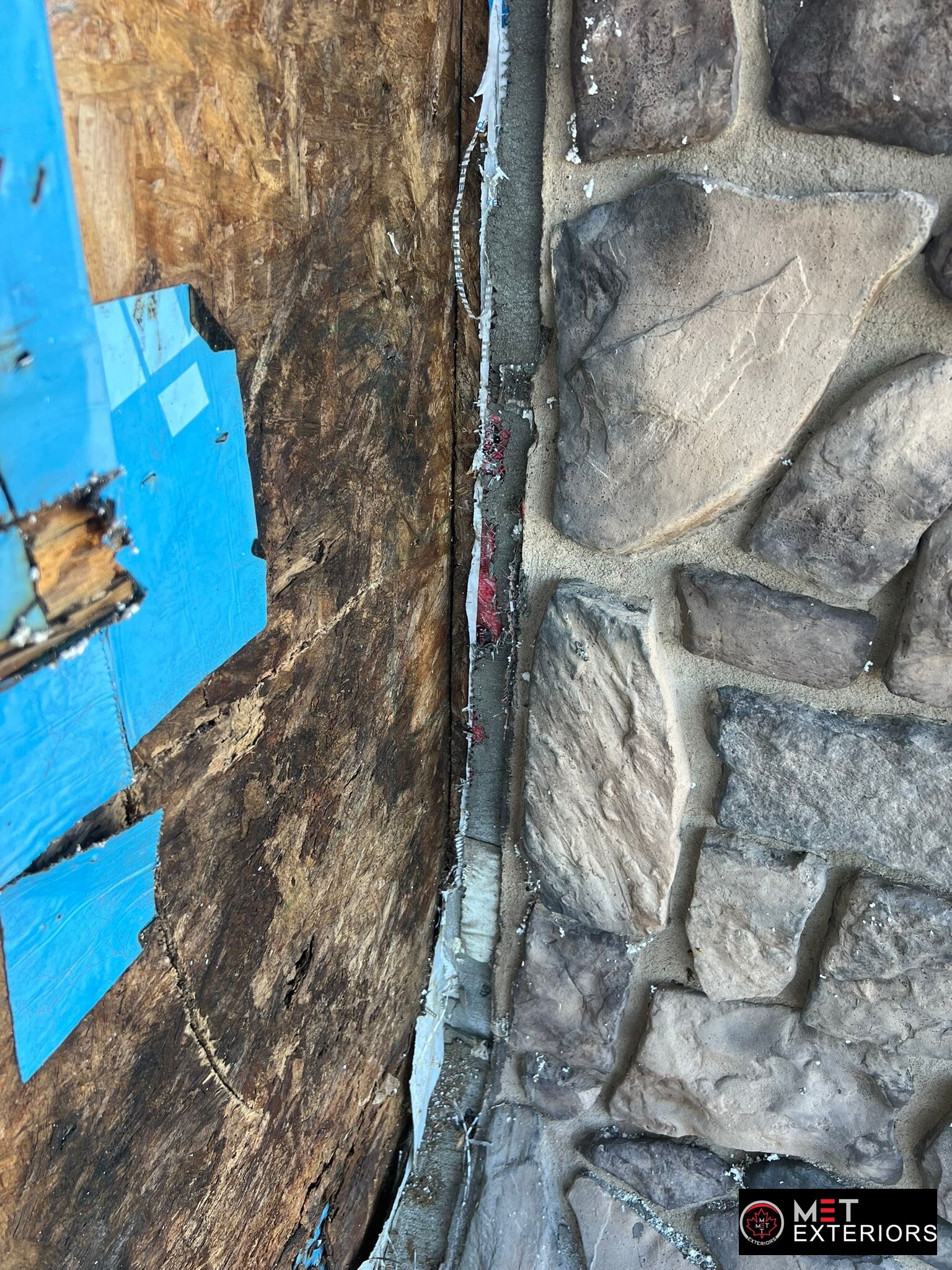
A transition is the location where one material, assembly or building plane meets another. Typical examples include stone veneer meeting stucco, EIFS terminating at sheet metal, siding returning into a window or door, a wall meeting a roof, and a balcony or deck connecting to an exterior wall.
These interfaces must accommodate water management, air-barrier continuity, drainage and differential movement. The water-resistive barrier, air barrier, flashings, membranes and drainage cavity should be coordinated so each layer performs continuously across the transition. Sealant is a maintenance component; it should not be treated as the wall’s only defence against water intrusion.
Why Transition Details Fail
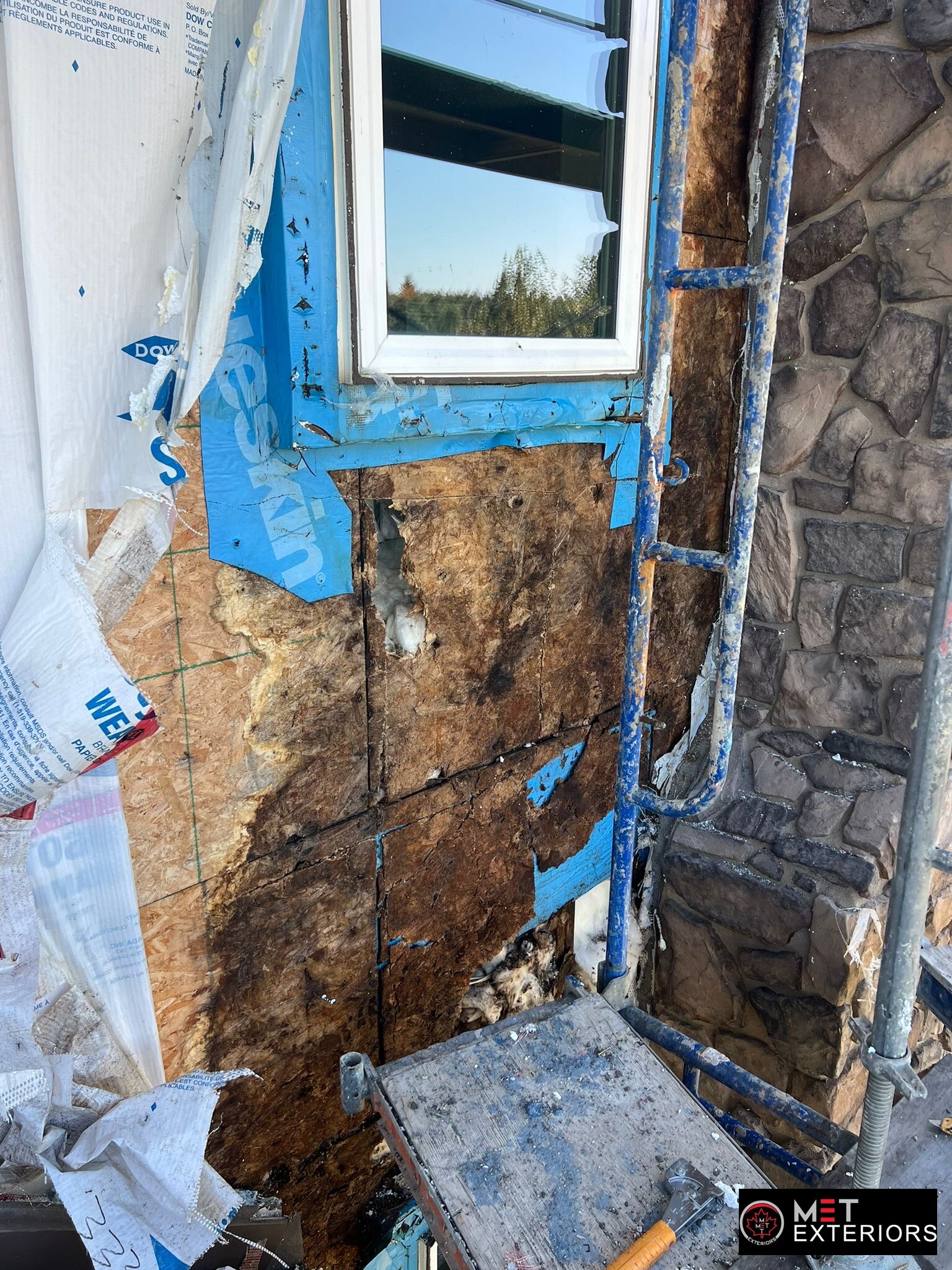
Different exterior systems absorb, drain and move differently. Failures frequently involve discontinuous or damaged WRB, reverse laps, missing end dams or kick-out flashings, poor window and door flashing integration, blocked drainage, inadequate clearance from roofing or grade, incompatible sealants, or no allowance for movement between dissimilar materials.
A rigid masonry or stone veneer does not behave like EIFS, conventional stucco, fibre cement or sheet metal. The interface must be detailed for the systems actually meeting at that location.
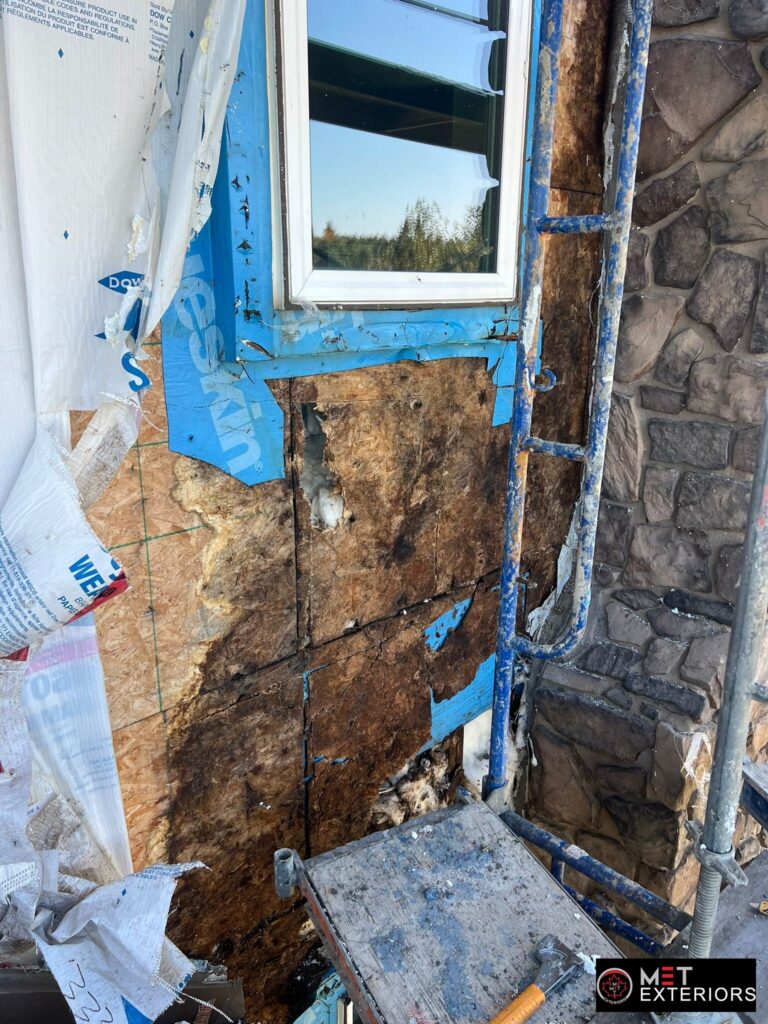
Concealed Moisture Can Travel Beyond the Entry Point
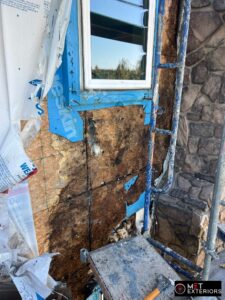
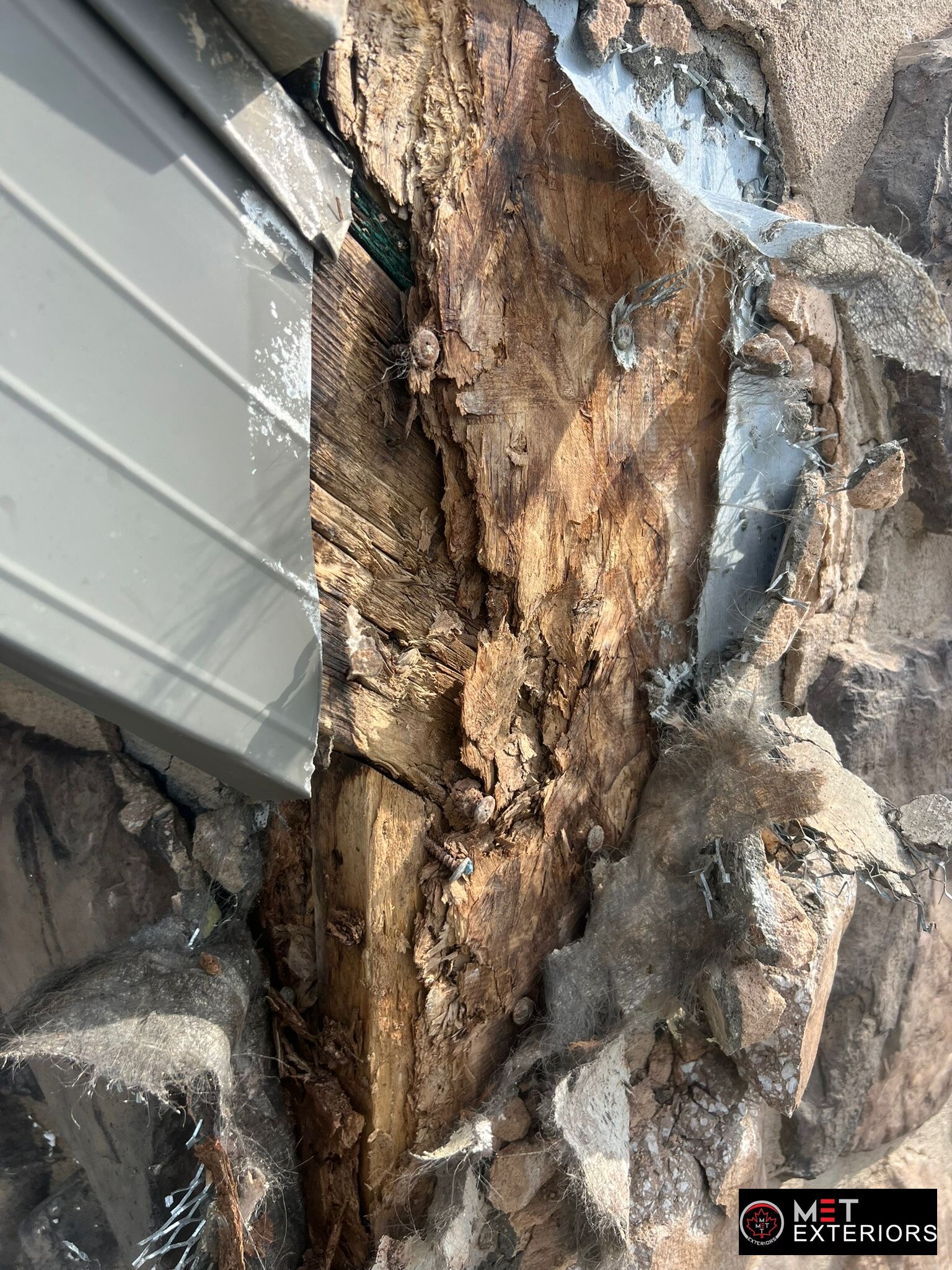
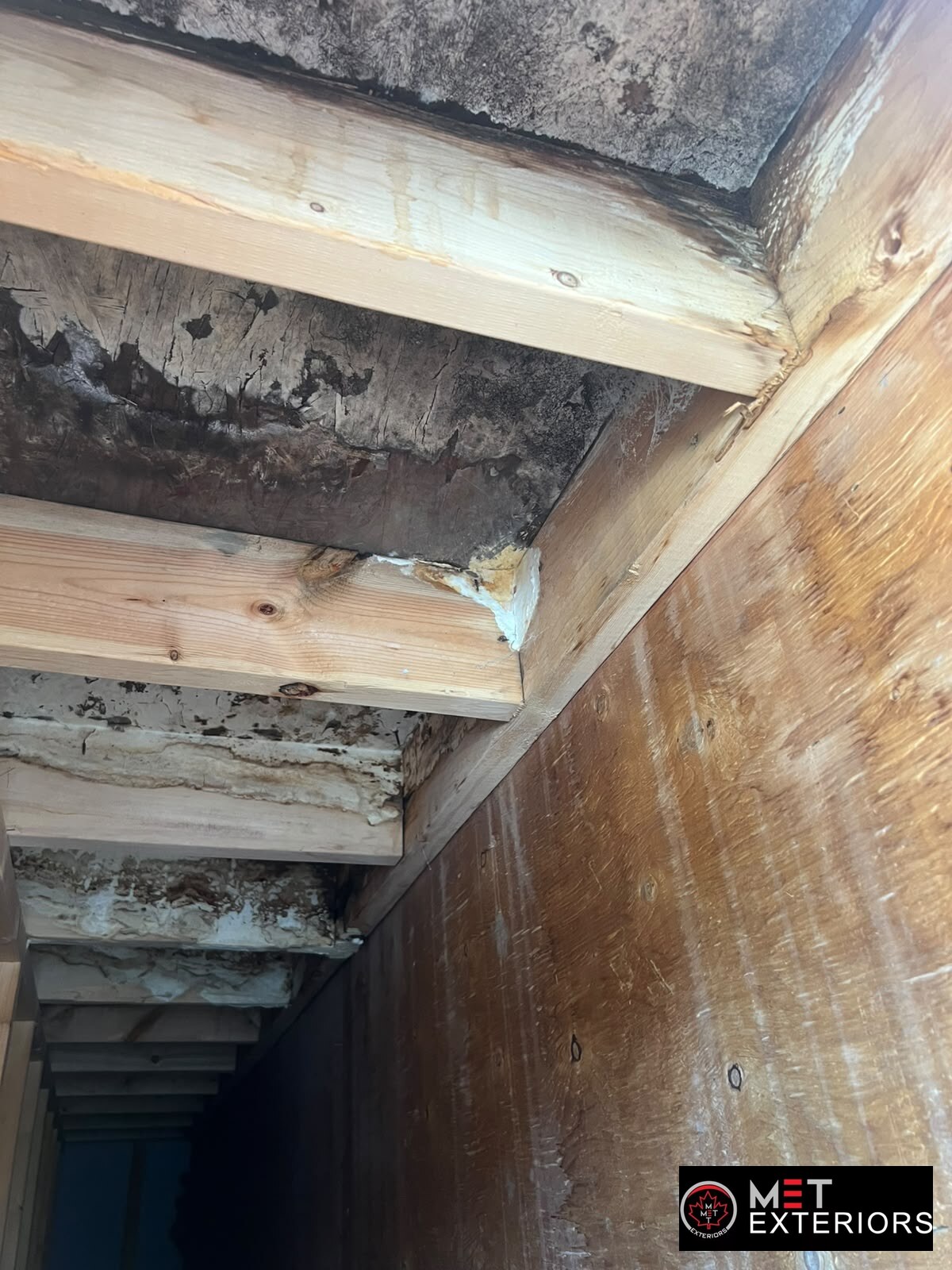
Water entering through a small defect may travel laterally or downward before becoming visible. Interior staining can therefore appear some distance from the actual entry point. Selective demolition may reveal wet insulation, deteriorated OSB or plywood sheathing, decayed framing, corroded fasteners or damaged membranes.
The cause and extent should not be diagnosed from photographs alone. A responsible investigation can include visual review, moisture readings, controlled openings and, where appropriate, controlled water testing. Structural or complex building-envelope conditions may require review by a qualified consultant or engineer.
Correct the Water-Management Failure Before Replacing the Finish
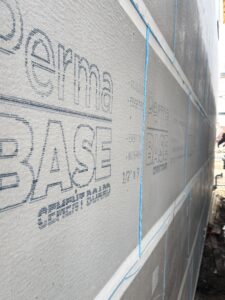
Replacing cracked stucco, loose stone or damaged siding without correcting the underlying transition can reproduce the same failure behind a new finish. Restoration may require selective removal, temporary weather protection, drying, replacement of deteriorated substrates, framing repairs, new membranes, properly integrated flashings, rainscreen components and reinstatement of compatible cladding systems.
Sequencing is critical: upper membranes and flashings must shed water over lower components, opening flashings must integrate with the wall membrane, drainage cavities must remain functional, and terminations must follow the applicable project and manufacturer requirements.
Warning Signs Worth Investigating
Recurring sealant failure, staining or efflorescence below transitions, loose stone, cracked stucco, displaced flashing, soft exterior substrates, interior staining near windows or roof-wall intersections, and moisture that returns after rain or snowmelt can justify further investigation.
These symptoms do not establish the cause by themselves. The objective is to trace the moisture pathway and understand the wall assembly before defining the repair.
Building-Envelope Investigation & Exterior Restoration
Met Exteriors works on exterior investigations and restoration involving masonry, stone, stucco, EIFS, James Hardie and metal-cladding assemblies in Edmonton and across Alberta. Our work can include selective demolition, water-testing support, cladding removal and reinstatement, membrane and flashing corrections, and coordination with consultants or engineers where the project requires it.
Related resources: Exterior Inspections, Commercial Exterior Inspections, Exterior Restoration, Cladding & Insurance Claims, EIFS, Commercial Cladding and Exterior Stone Masonry.
This article provides general construction information and is not an engineering opinion, insurance coverage determination or substitute for a project-specific investigation.
Suspect Water Intrusion Behind an Exterior Wall?
Contact Met Exteriors with the property location, photographs and any available reports so the exterior condition can be reviewed.