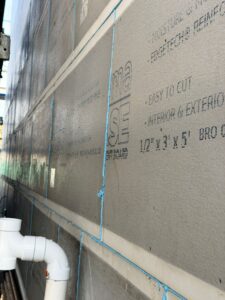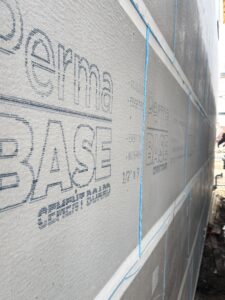
Cement Board Stucco Rainscreen Systems in Edmonton
Cement board stucco systems are widely used for modern exteriors due to their clean finish and durability. However, one of the most important components is often overlooked — the rainscreen.
The significance of a rainscreen in cement board stucco systems cannot be overstated. It is a barrier that actively manages moisture, ensuring that the cladding remains effective in protecting the building’s structure. For example, in areas with heavy rainfall, the risk of moisture accumulation behind the stucco can lead to substantial structural damage if not managed properly. The rainscreen acts like a protective shield, allowing any infiltrating water to exit safely without compromising the integrity of the stucco or the underlying wall system.
Without a proper rainscreen, even a well-installed stucco system can fail over time due to trapped moisture.
What Is a Rainscreen?
A rainscreen supports the moisture-management strategy of the wall assembly by providing a drainage and drying space behind the exterior finish. Keeping wall components drier can help insulation and other materials perform as intended, but energy performance depends on the complete wall design, insulation levels, air barrier and installation details.
A rainscreen is a drainage cavity installed between the exterior cladding and the wall system. It creates a gap that allows water and moisture to escape instead of being trapped behind the stucco.
In Alberta’s climate, this system is essential for long-term performance.
The rainscreen cavity is primarily a building-envelope component rather than a visible design feature. Its purpose is to provide space behind the cladding for drainage and drying while allowing the exterior finish to maintain the intended architectural appearance.
The drainage space also provides drying potential behind the cladding. In Alberta’s freeze-thaw climate, reducing the amount of moisture retained in the exterior wall assembly can help lower the risk of moisture-related deterioration.
Key Benefits of a Rainscreen System
Moisture Drainage
No exterior system is completely waterproof. Wind-driven rain and snow can penetrate behind the cladding. A rainscreen provides a clear path for water to drain out before it reaches the structure.
Helps Reduce Moisture-Related Deterioration
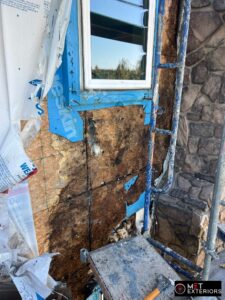
Trapped moisture behind cement board systems can lead to mold growth and wood rot. A rainscreen allows airflow, helping the wall assembly dry out naturally and helping reduce the risk of long-term moisture-related damage.
Improves Building Envelope Performance
A rainscreen acts as a secondary defense layer. Even if the outer stucco system is compromised, the drainage cavity protects the underlying structure.
Reduces Risk of Stucco Failure
Without a rainscreen, moisture buildup can weaken adhesives, cause delamination, and lead to cracking or system failure. Proper drainage significantly increases the lifespan of the stucco system.
Moreover, the longevity of the materials used in a rainscreen system can lead to reduced maintenance costs over time. For instance, high-quality materials that resist moisture can prevent the need for frequent repairs or replacements, ultimately saving homeowners significant amounts of money.
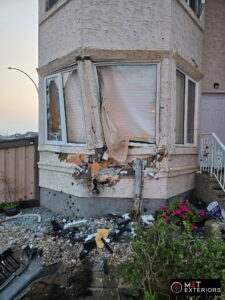
Without a rainscreen, the risk of hidden moisture buildup becomes a significant concern. This can manifest in various ways, such as paint peeling, discoloration of the stucco, or even bulging walls, which can be costly and difficult to remediate.
Airflow and Drying Capability
The air gap created by a rainscreen promotes ventilation behind the cladding. This continuous drying cycle is critical in freeze-thaw climates where moisture expansion can cause damage.
Better Performance in Freeze-Thaw Conditions
Water trapped behind stucco expands when it freezes. Over time, this leads to cracking and separation. A rainscreen reduces trapped moisture, minimizing freeze-thaw damage.
Protects Structural Components
Sheathing, framing, and insulation are all vulnerable to moisture. A properly integrated rainscreen, water-resistive barrier and flashing strategy helps manage water before it can affect moisture-sensitive wall components.
Risks of Not Using a Rainscreen
Installing cement board stucco without a rainscreen can lead to:
- Hidden moisture buildup
- Mold and mildew
- Rotting sheathing and framing
- Reduced insulation efficiency
- Premature failure of the stucco system
These issues often go unnoticed until significant damage has already occurred.
Implementing a rainscreen system is often regarded as a best practice in construction. It aligns with the principles of sustainable building, as it not only protects the building but also conserves resources by improving the durability and lifespan of the materials used.
Industry Best Practices
Modern building science strongly supports rainscreen systems for exterior cladding. In moisture-prone climates like Alberta, it is no longer just a recommendation — it is a best practice for long-term durability.
It is essential for homeowners and builders alike to understand that investing in a rainscreen system will yield long-term benefits. By prioritizing moisture control and airflow, property owners can protect their investments while also enhancing the livability and sustainability of their buildings.
In conclusion, a proper rainscreen is not just an optional feature; it is a critical component of any cement board stucco system. By ensuring that moisture is effectively managed, builders can uphold the structural integrity and aesthetic appeal of their properties for years to come. In summary, when selecting a cement board stucco system, be sure to include a rainscreen in your design plans to maximize the benefits of this construction method.
For more information on building envelope performance, visit.
Work With Experienced Professionals
At Met Exteriors, we install cement board stucco systems with proper rainscreen assemblies to ensure drainage, airflow, and long-term protection.
Learn more about our stucco systems here.
A properly designed rainscreen system protects your investment, extends the life of your exterior, and prevents costly repairs.