Choosing the Right Stone for Your Exterior
Selecting the right exterior stone is not just a design decision—it’s a structural and safety decision. At Met Exteriors, we regularly see projects where the wrong material or improper installation leads to premature failure, costly repairs, and serious safety risks. Choosing the right stone system from the start plays a critical role in protecting your building and long-term investment.
Don’t Choose Stone Based on Price Alone
One of the most common mistakes homeowners and builders make is choosing the cheapest stone product available. While this may reduce upfront costs, it often leads to long-term problems that are far more expensive to fix.
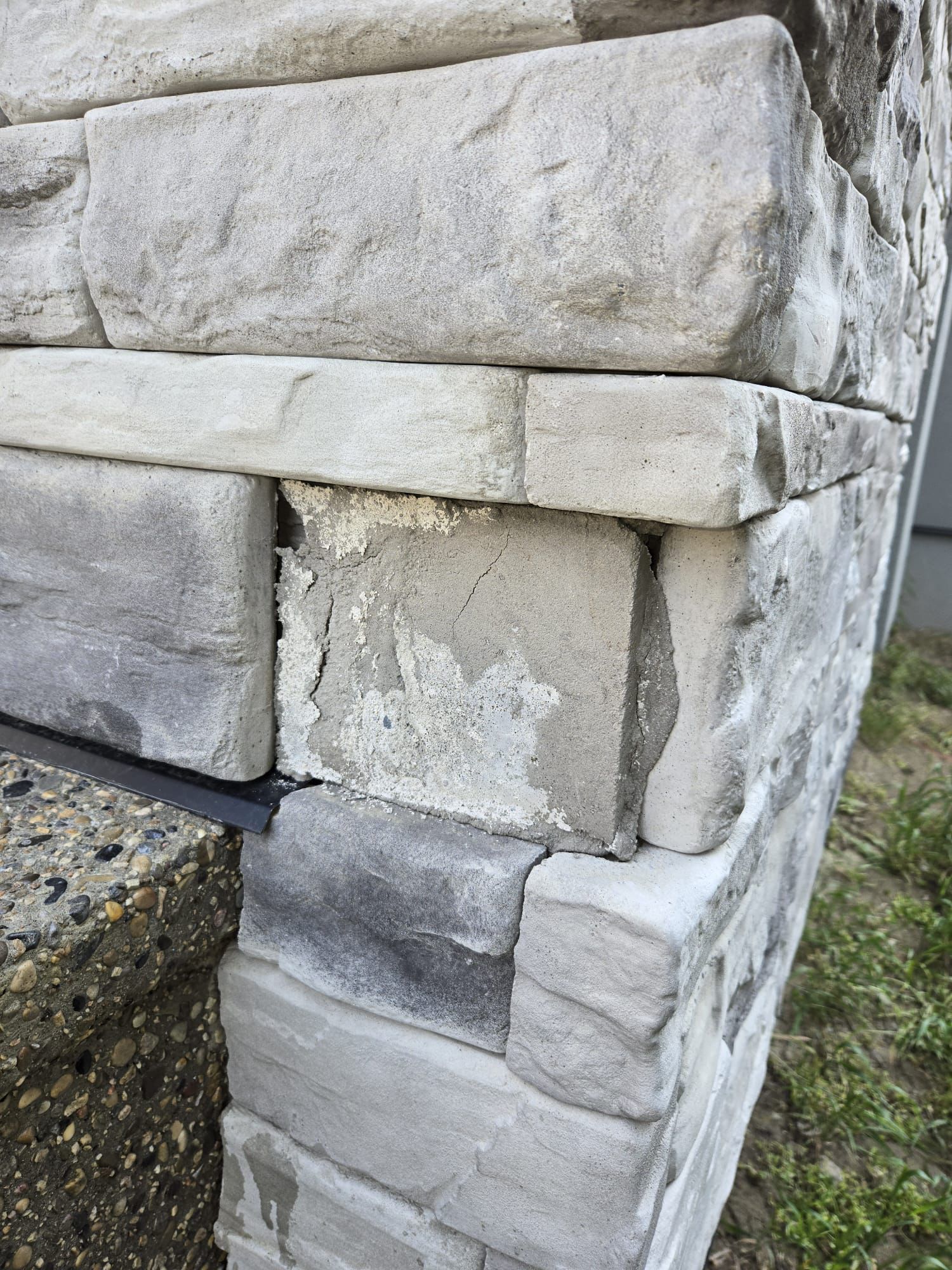
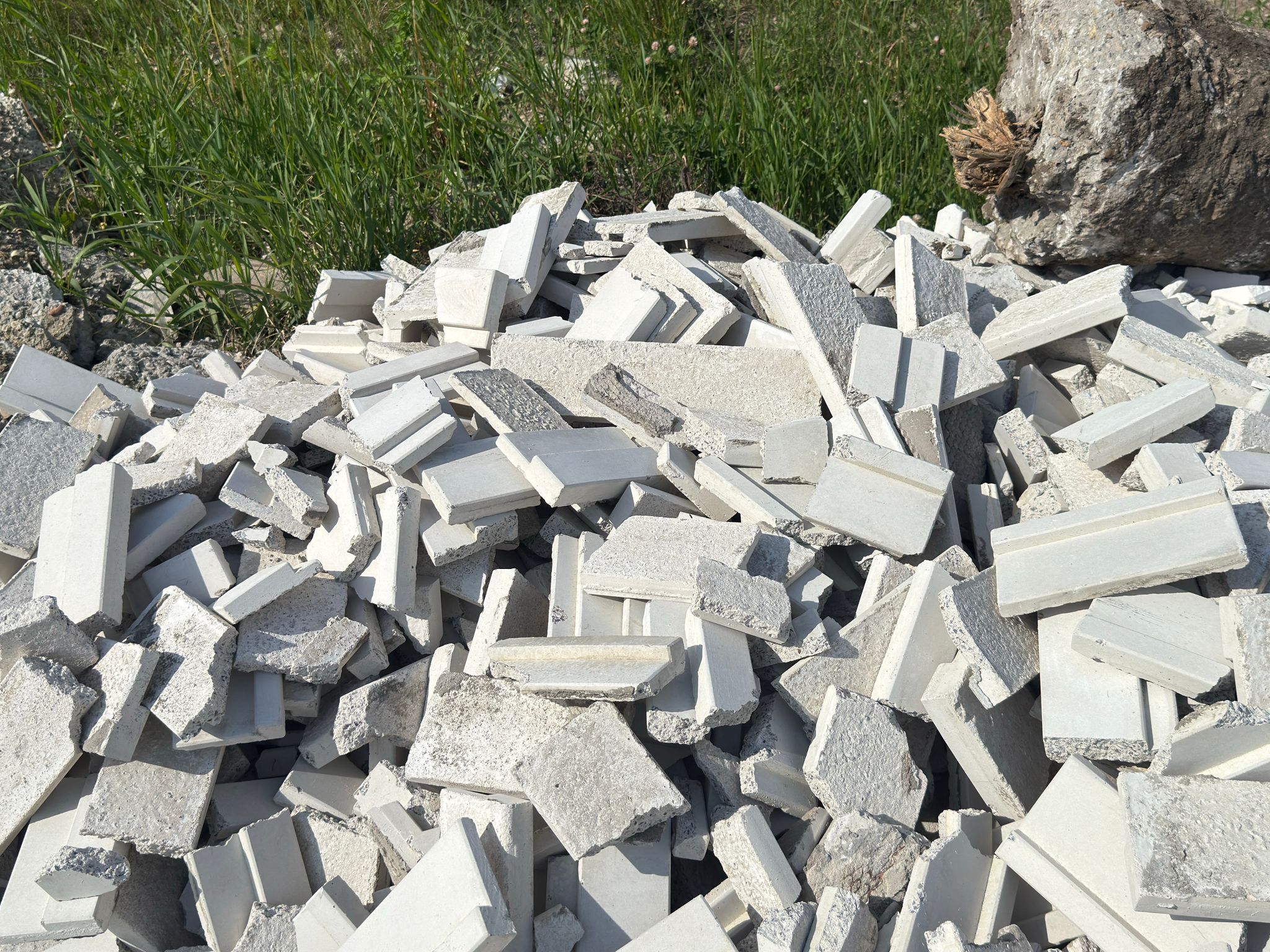
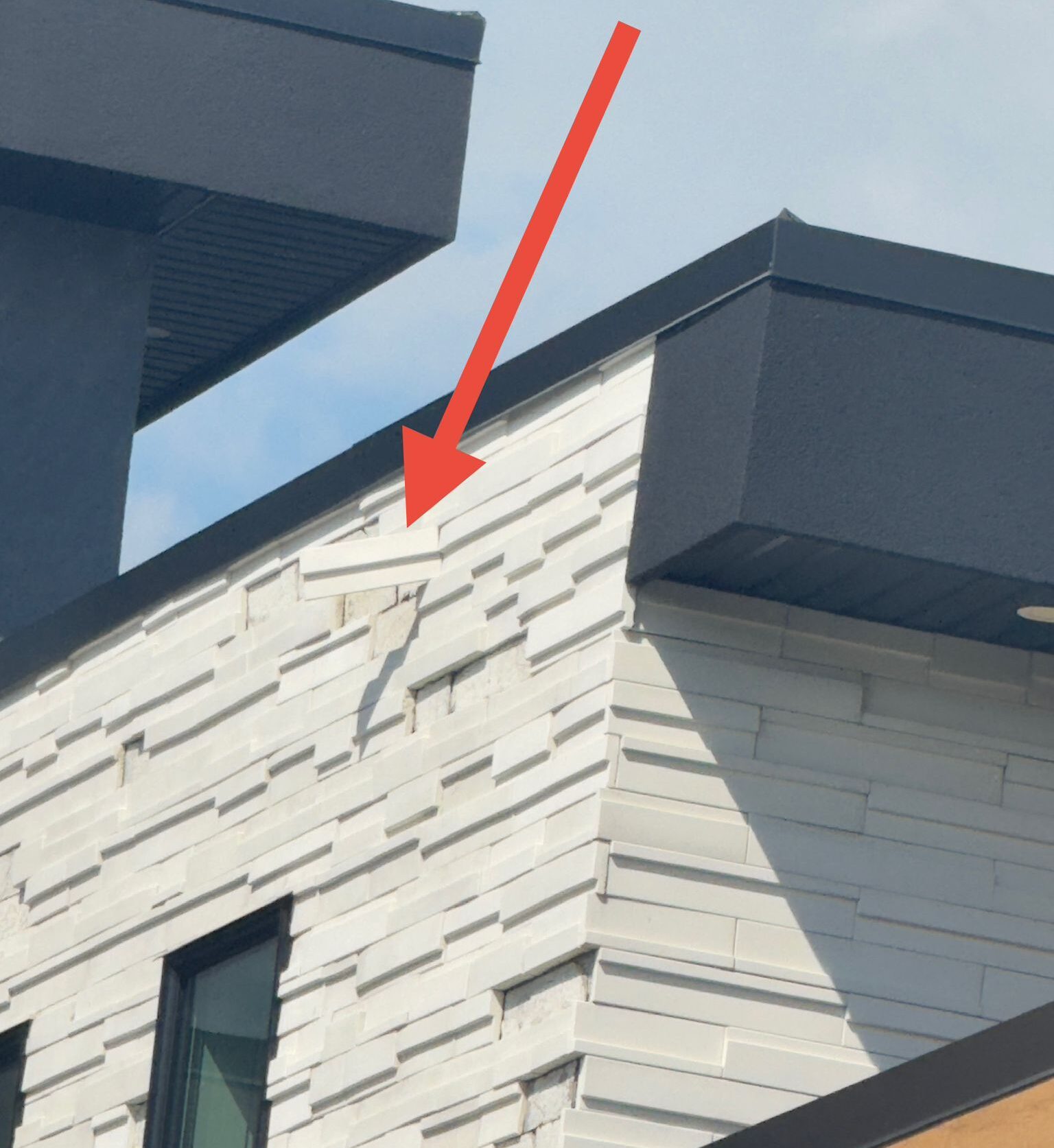
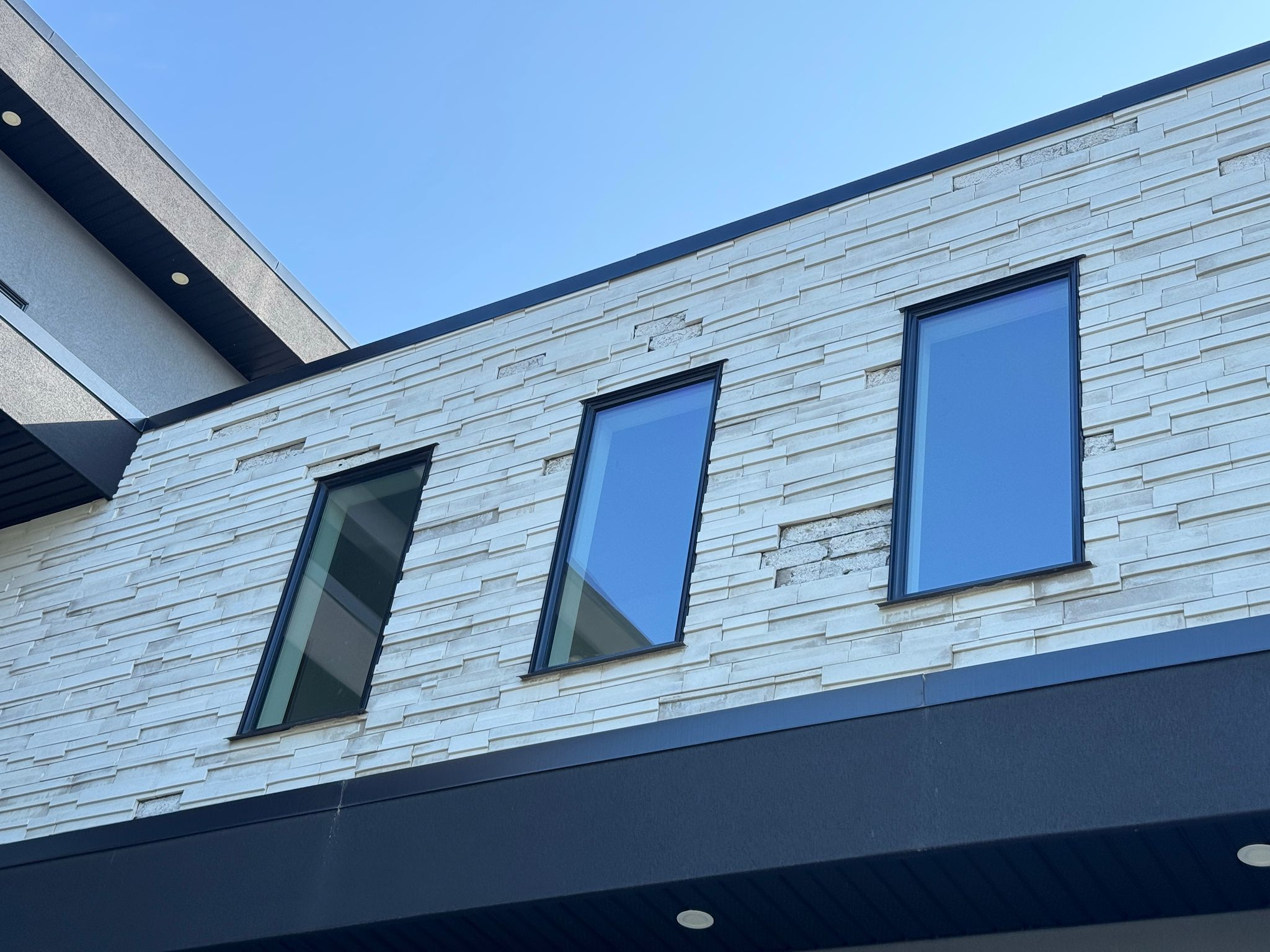
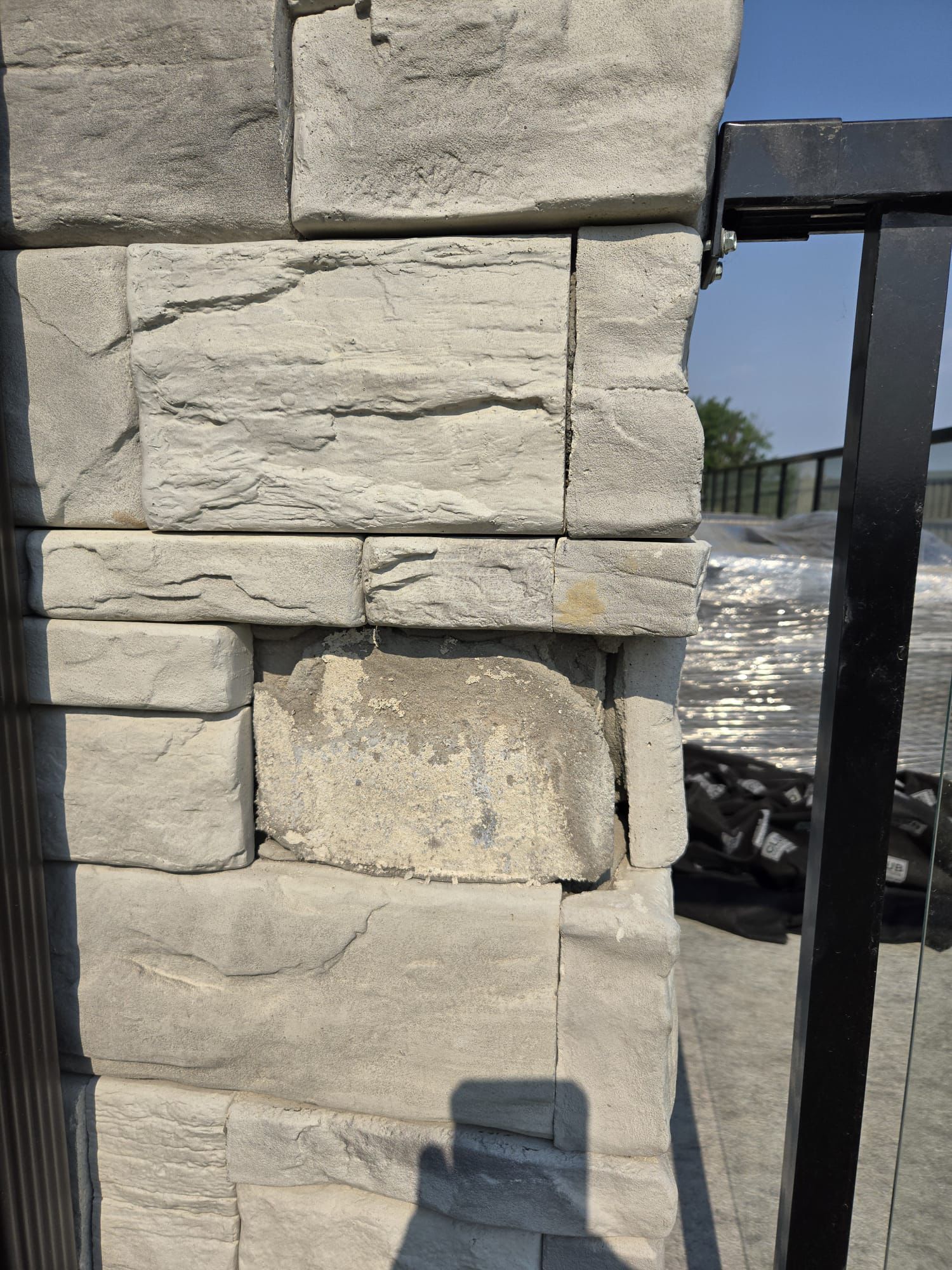
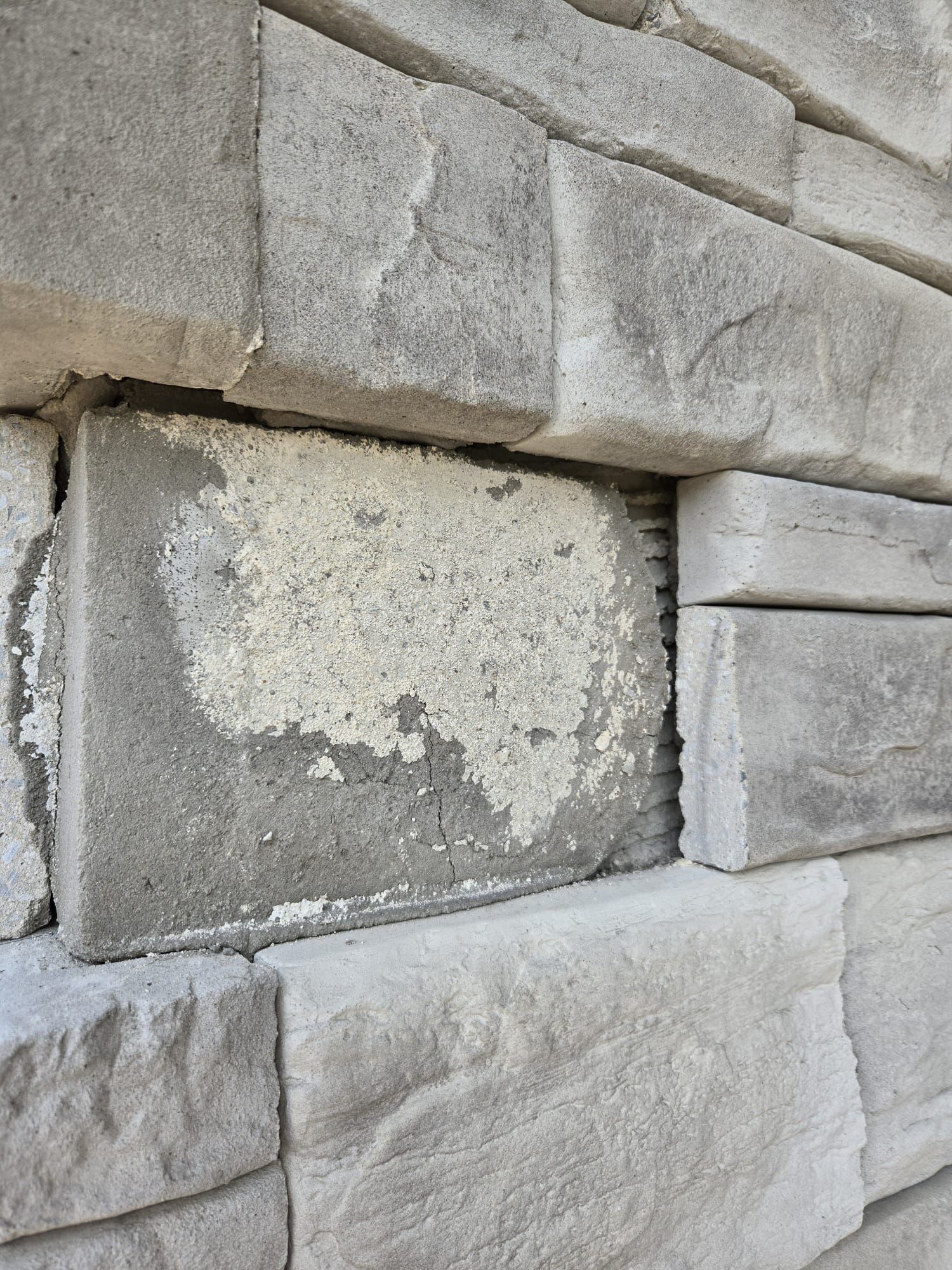
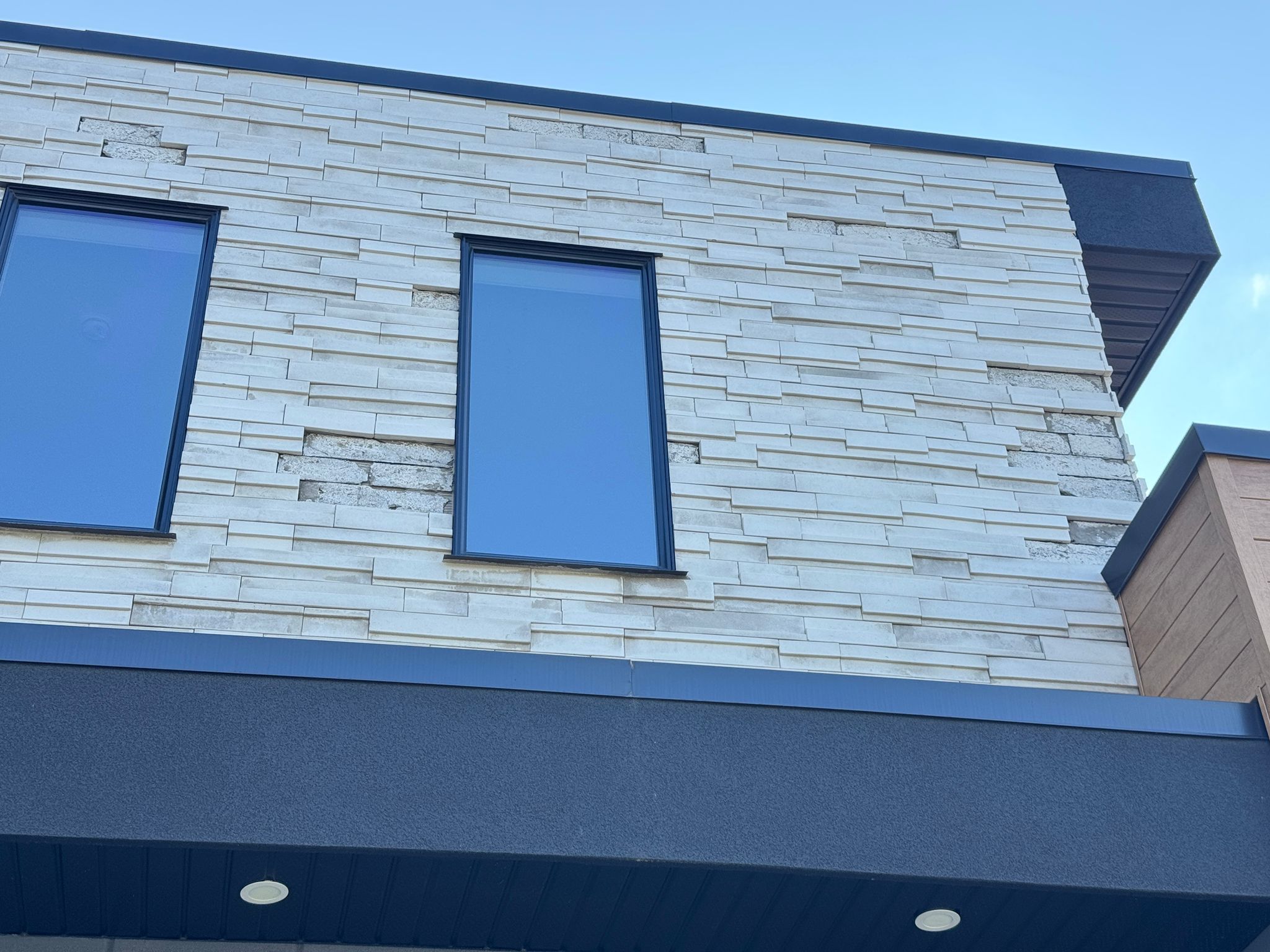
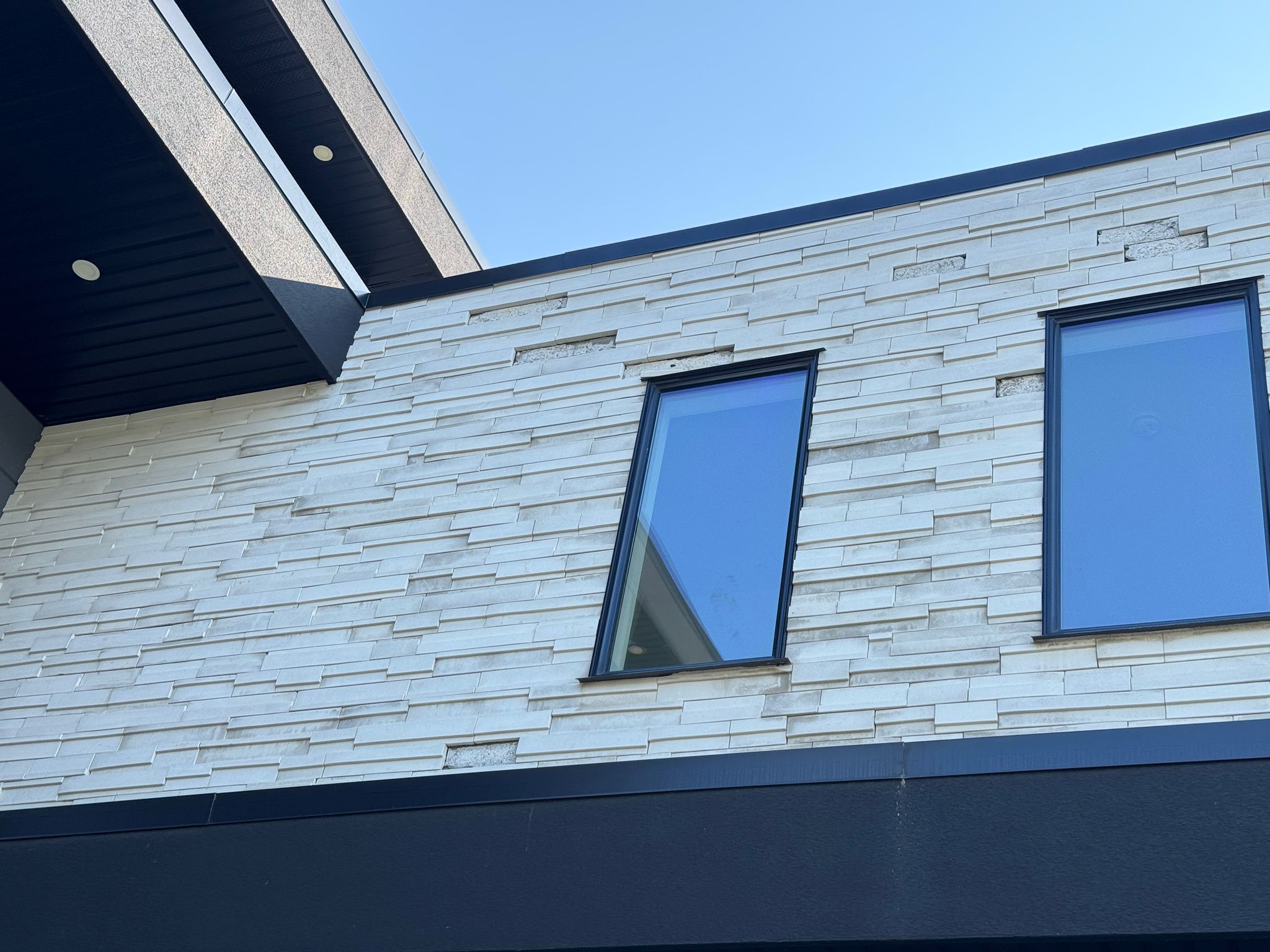
Low-quality or improperly selected stone frequently results in bonding and adhesion failures, cracking caused by moisture penetration, loose or falling stone, and in many cases, the need for full replacement. We have inspected numerous residential and commercial buildings where exterior stone has separated from the wall, creating serious risks of property damage and personal injury.
Not All Stone Is Suitable for Exterior Use
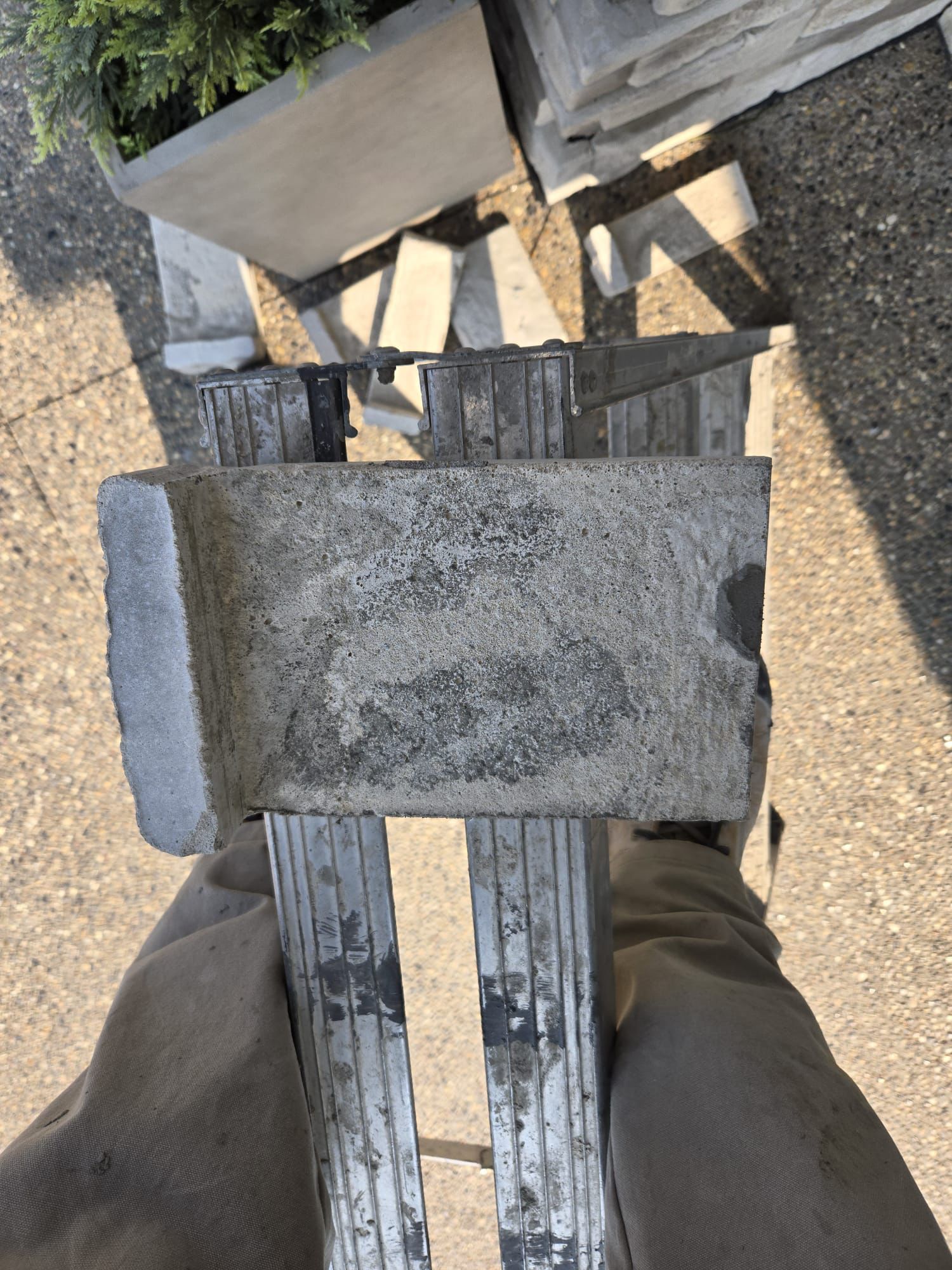
Many stone products on the market are simply not designed for exterior applications, especially in Alberta’s harsh climate. Some materials suffer from poor manufacturing quality, inconsistent thickness, weak backing systems, or inadequate bonding surfaces.
Before selecting any stone product, it is essential to confirm that it is approved for exterior use and specifically engineered to withstand freeze-thaw cycles, moisture exposure, and long-term weather conditions common in Alberta.
Proper Installation Is Critical
Even the highest-quality stone will fail if it is installed incorrectly. Common installation issues include using the wrong mortar or adhesive systems, skipping required mechanical support or lath, installing over inadequate substrates, and failing to include proper moisture barriers.
Ignoring manufacturer installation guidelines is another major cause of failure. Exterior stone installation must follow exact specifications and comply with local building codes. Cutting corners during installation almost always leads to premature failure.
Verify Code Compliance and Installation Guidelines
Before any exterior stone installation begins, it is important to request official installation guidelines from the stone supplier, confirm that the system meets local building code requirements, and ensure that all materials are compatible as part of a complete system. These steps help prevent costly mistakes and long-term structural issues.
Hire a Reputable Masonry Contractor
Exterior stone installation is not a trade where inexperience can be overlooked. A qualified masonry contractor understands proper stone systems, uses approved materials and methods, follows building code requirements, and delivers installations designed for long-term durability and safety.
Trusted Industry Resources
For additional guidance on masonry standards and best practices, refer to the Alberta Masonry Council. Their resources provide valuable insight into proper materials, installation standards, and industry expectations.
Final Word
When it comes to exterior stone, quality materials and proper installation always cost less in the long run. The right stone, installed correctly, protects your investment and ensures your building remains safe and durable for decades.