Understanding Woodpecker Behavior and Prevention
Woodpecker activity around homes is more common than many homeowners realize, especially in areas with trees and natural surroundings. A Woodpecker is usually attracted to a property because of food, shelter, or sound. When a Woodpecker starts visiting your home, it is typically responding to these conditions rather than random behavior, which is why understanding the cause is important for prevention.
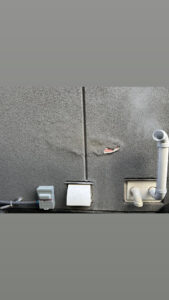
One of the most common reasons a Woodpecker is drawn to a home is the presence of bird feeders or food sources. Feeders filled with suet, nuts, or seeds can attract birds and encourage them to stay nearby. Once they become comfortable, they may begin pecking at exterior materials such as EIFS, stucco, or wood siding. Over time, this behavior can create visible holes and lead to expensive structural damage if it is not addressed early.
To reduce this risk, it is recommended to avoid placing feeders close to your home. If you still prefer having them, position them farther away from exterior walls. Upgrading to durable materials such as limestone plaster or advanced cladding systems can also provide additional protection. For more information on bird behavior and habits, visit the Cornell Lab resource.
Simple deterrents can also help. Reflective tape, wind chimes, or decoy predators like owls can make your property less appealing. These solutions work best when combined with proper maintenance and thoughtful placement.
Additional Woodpecker Behaviors Homeowners Should Know
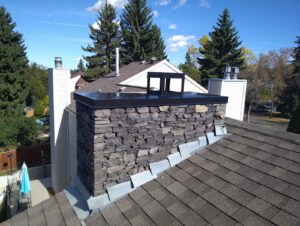
Woodpeckers are not only attracted to food but also to sound. Certain materials like hollow siding, metal vents, or chimney caps create loud, echoing noises when tapped. A Woodpecker uses this drumming behavior to communicate and mark territory, which is why some areas of a home may be repeatedly targeted.
Seasonal patterns also play a role. Activity typically increases during spring and fall. In spring, birds drum to attract mates and establish territory, while in fall they search for insects before winter. Homes located near trees, ravines, or natural green spaces are more likely to experience frequent visits because these environments support insect populations.
Understanding these patterns helps homeowners take action at the right time. Scheduling inspections and repairs before peak seasons can significantly reduce the chances of damage. Being proactive is one of the most effective ways to protect your home.
How Moisture Problems Can Attract Woodpeckers
Moisture intrusion is one of the biggest hidden factors that can attract a Woodpecker. When siding becomes damp or weakened, it creates the perfect environment for insects like carpenter ants, termites, and beetles. These insects become a food source, and a Woodpecker can detect their movement through vibrations inside the wall system.
Once a feeding spot is found, repeated visits are common. This can result in deeper holes and more extensive damage over time. Moisture problems often go unnoticed until visible signs appear, making regular inspections essential.
Fixing moisture issues early is key to prevention. Sealing cracks, improving drainage, and maintaining proper ventilation can help eliminate conditions that attract insects. By doing this, you reduce the likelihood of attracting a Woodpecker and protect your home from further damage.
Long-Term Woodpecker Prevention Strategies
For long-term protection, upgrading to stronger exterior materials is one of the best solutions. Finishes like acrylic stucco, limestone plaster, and modern cladding systems are designed to withstand repeated impact and resist moisture. These materials help reduce weak points that could attract a Woodpecker.
Routine maintenance also plays a major role. Sealing gaps, reinforcing trim, and inspecting soffits and fascia boards can prevent birds from finding entry points. Trimming nearby branches can limit access and make it harder for a Woodpecker to reach your home.
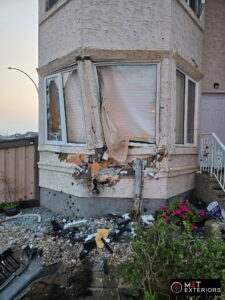
If damage has already occurred, repairing it quickly is important. Holes left untreated can allow water to enter the structure, leading to mold, rot, and costly repairs. Addressing issues early helps maintain the strength and value of your home.
By understanding Woodpecker behavior and taking proactive steps, homeowners can reduce risks, prevent damage, and keep their exterior in strong condition for years to come. You can learn more about protecting your home exterior by visiting our website.