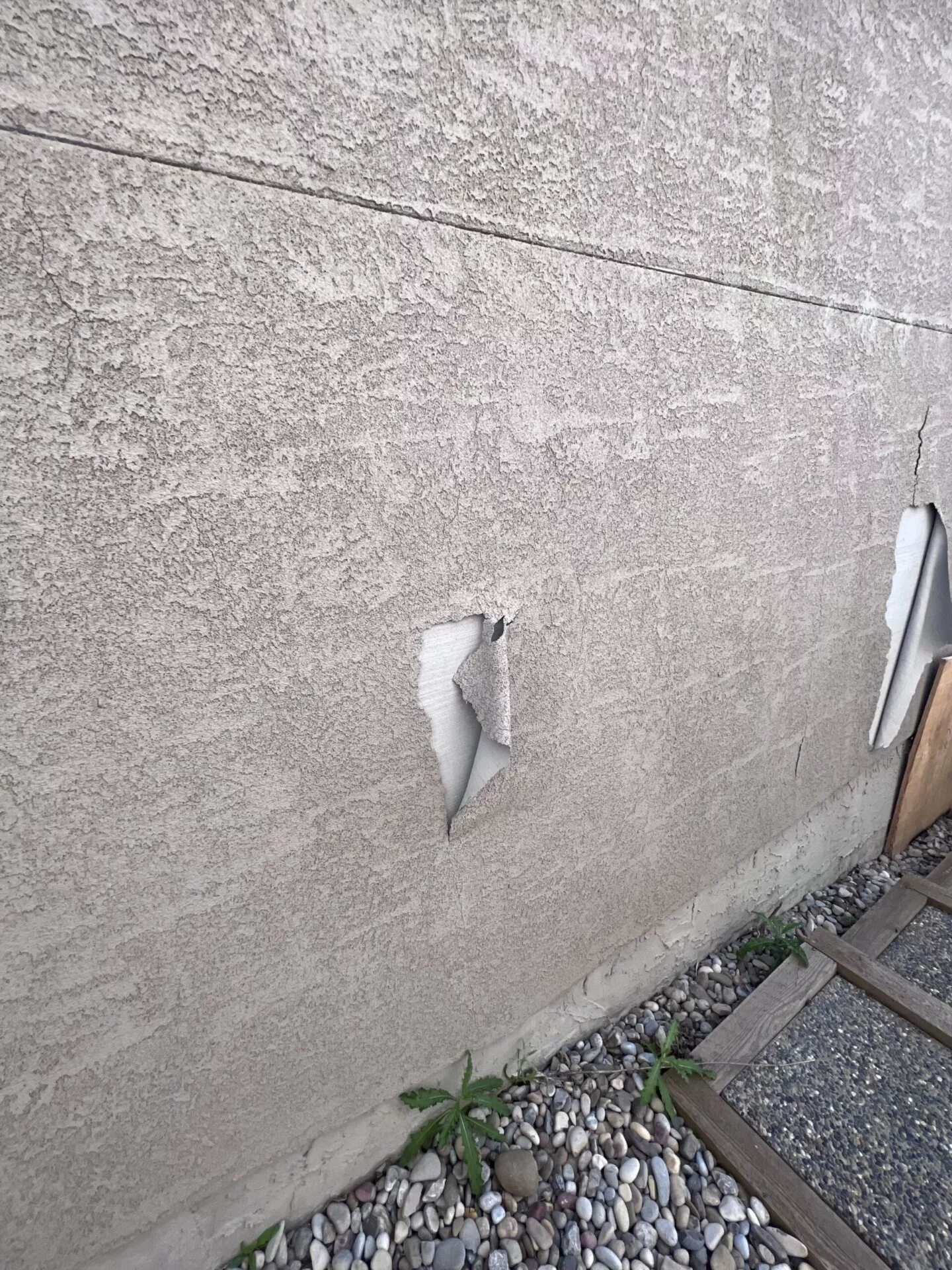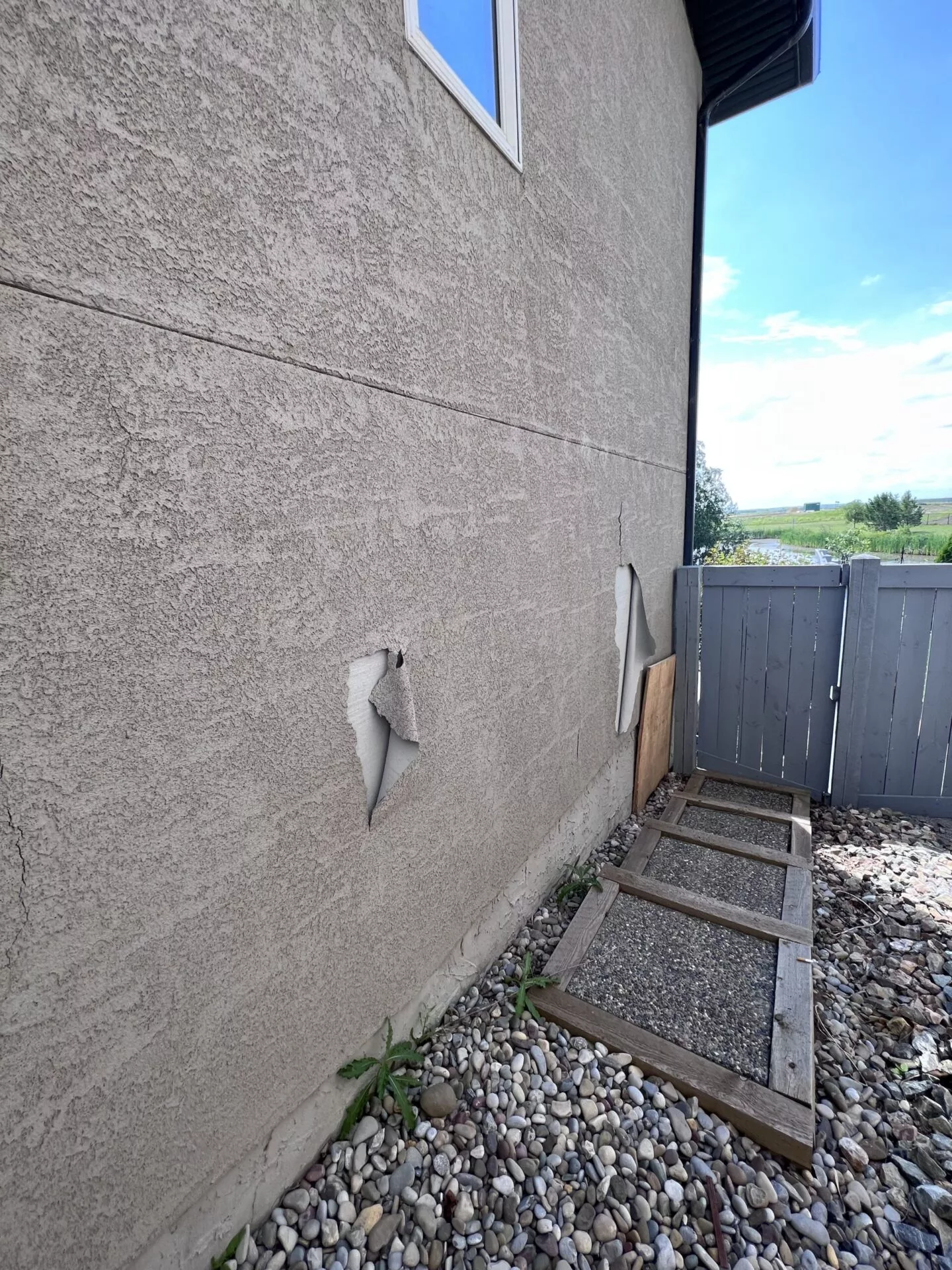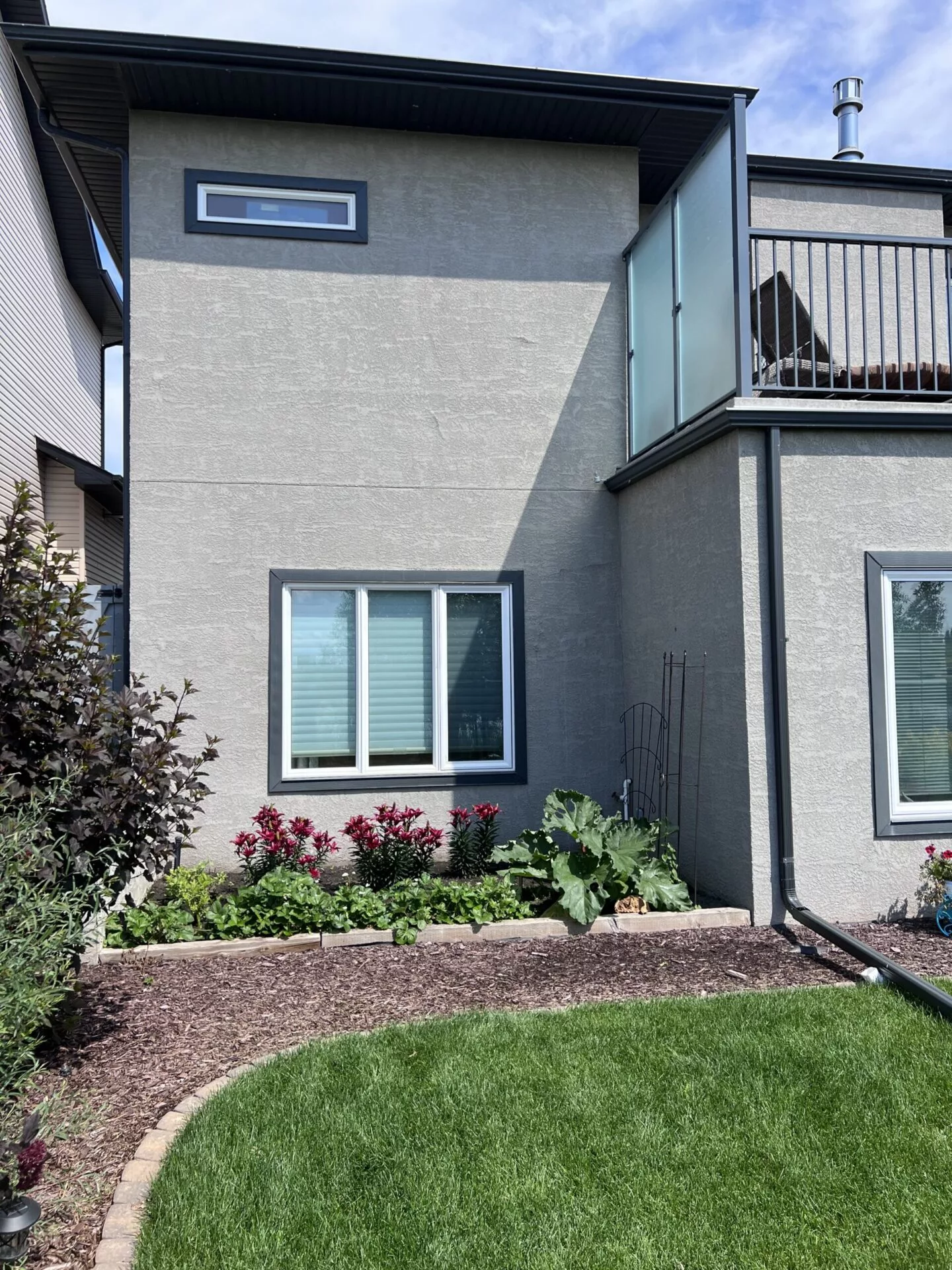
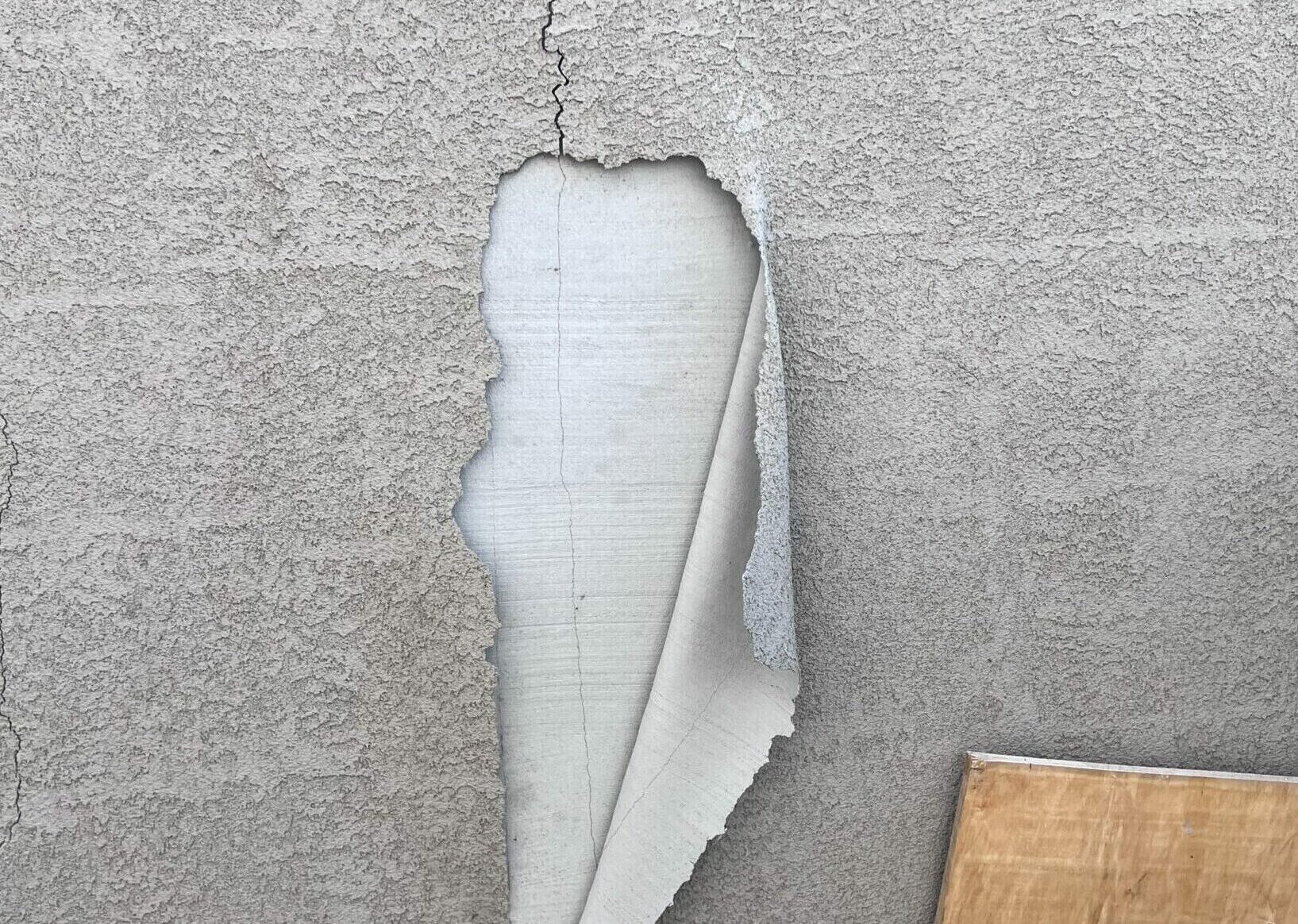
Acrylic Stucco is widely used as a modern exterior finish because of its flexibility, durability, and clean appearance. Homeowners and contractors often prefer it for its ability to resist cracking and maintain color over time. However, even a reliable system like Acrylic Stucco can develop issues if not installed or maintained correctly. One of the most common concerns is delamination, which occurs when the finish separates from the underlying surface and begins to fail.
Understanding Delamination in Exterior Finishes
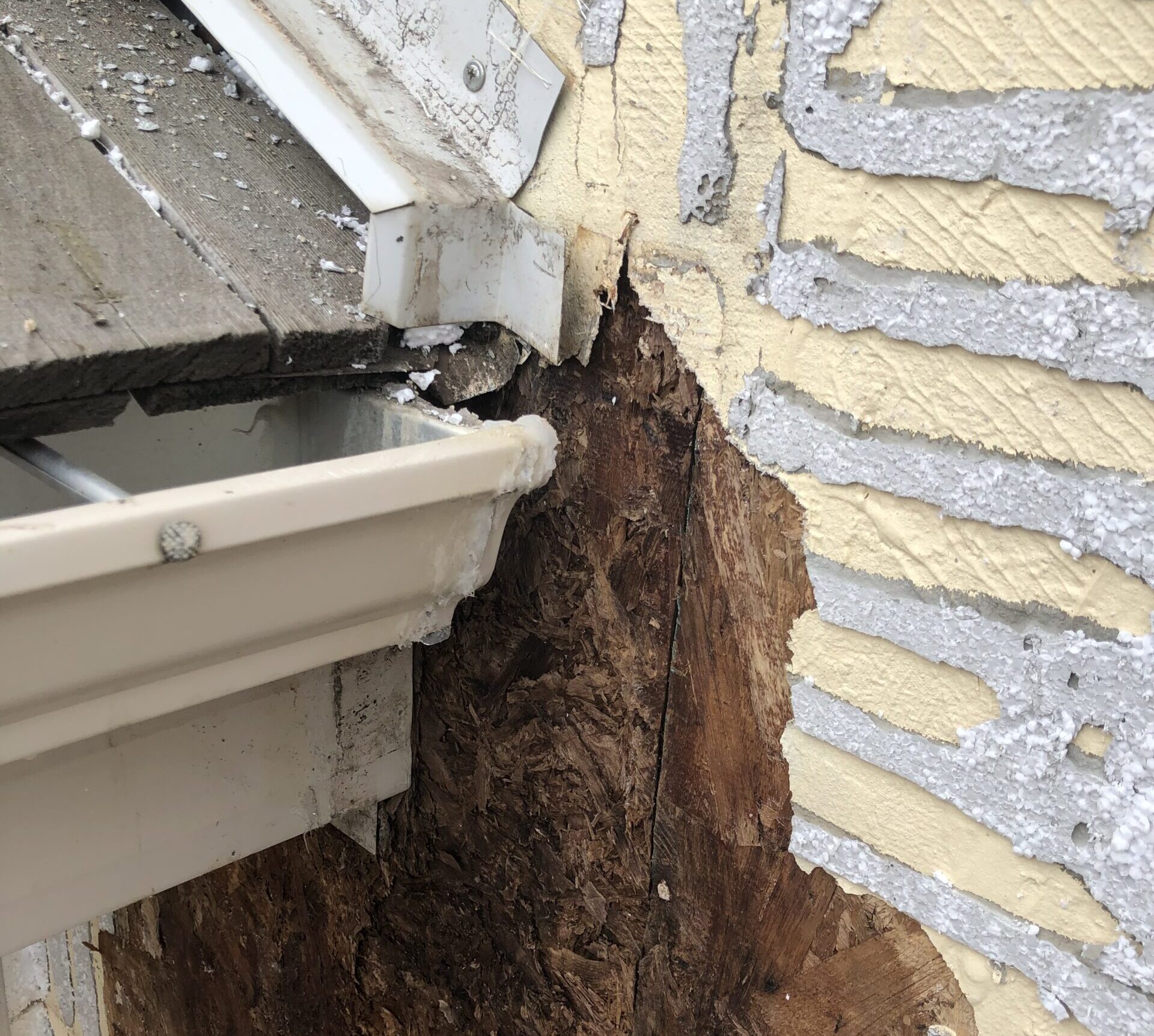
Delamination happens when the bond between layers weakens, causing sections of the finish to loosen, bubble, or peel away. This not only affects the visual appeal of a building but can also expose it to moisture and structural damage. When Acrylic Stucco begins to separate, it is often a sign of deeper underlying problems that need immediate attention.
Common Causes of Delamination
One of the leading causes is poor surface preparation. If the base surface is not properly cleaned or primed, the material cannot adhere effectively. Dust, grease, or moisture left on the surface can create a barrier that prevents proper bonding.
Moisture intrusion is another major factor. Water can seep behind the finish through cracks, gaps, or poorly sealed joints. Over time, this weakens the adhesion and causes layers to detach. Without proper drainage systems and flashing, moisture becomes a persistent issue.
Improper installation techniques also play a role. Applying Acrylic Stucco too thickly or failing to allow proper curing time between layers can compromise its strength. Skipping steps or rushing the process often leads to long-term failures.
Temperature changes can contribute as well. Expansion and contraction due to weather fluctuations create stress within the material. Without proper control joints, this stress builds up and eventually leads to cracking and separation.
Structural movement is another concern. Buildings naturally settle over time, and if the substrate shifts, the finish may lose its grip. This is especially common in areas with unstable soil or inadequate structural support.
Finally, aging materials can weaken over time. Continuous exposure to sunlight, rain, and environmental conditions gradually reduces the bonding strength of Acrylic Stucco, making it more prone to delamination. To learn more about proper stucco installation standards, refer to the Stucco Manufacturers Association guidelines.
Preventing Delamination
Prevention starts with proper preparation. Ensuring the surface is clean, dry, and stable before application is essential. A well-prepared base allows the material to bond securely and perform as expected.
Moisture control is equally important. Installing proper drainage systems, sealing joints, and maintaining flashing can significantly reduce the risk of water infiltration. Regular inspections help catch small issues before they escalate.
Following correct installation practices is critical. Using the right thickness, allowing proper curing time, and adhering to manufacturer guidelines ensures long-term performance. Skilled professionals understand how to apply Acrylic Stucco correctly and avoid common mistakes.
Using high-quality materials also makes a difference. Premium products are designed to withstand environmental stress and provide better adhesion and flexibility.
Routine maintenance should not be overlooked. Checking for cracks, discoloration, or soft spots allows homeowners to address problems early and extend the life of the finish.
Repairing Damaged Areas
When delamination occurs, the first step is assessing the extent of the damage. A thorough inspection helps identify the root cause and determine the best repair approach.
Damaged sections must be carefully removed to expose the substrate. Once the area is cleared, the surface needs to be properly prepared again before reapplication.
Reapplying Acrylic Stucco should follow proper techniques, ensuring each layer bonds correctly. Addressing the original cause, whether it is moisture or structural movement, is essential to prevent future issues.
Final Thoughts
Delamination can be frustrating, but it is often preventable with the right approach. Proper installation, quality materials, and regular maintenance all contribute to a long-lasting exterior. When handled correctly, Acrylic Stucco remains a durable and attractive solution for modern buildings.