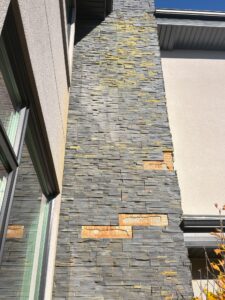
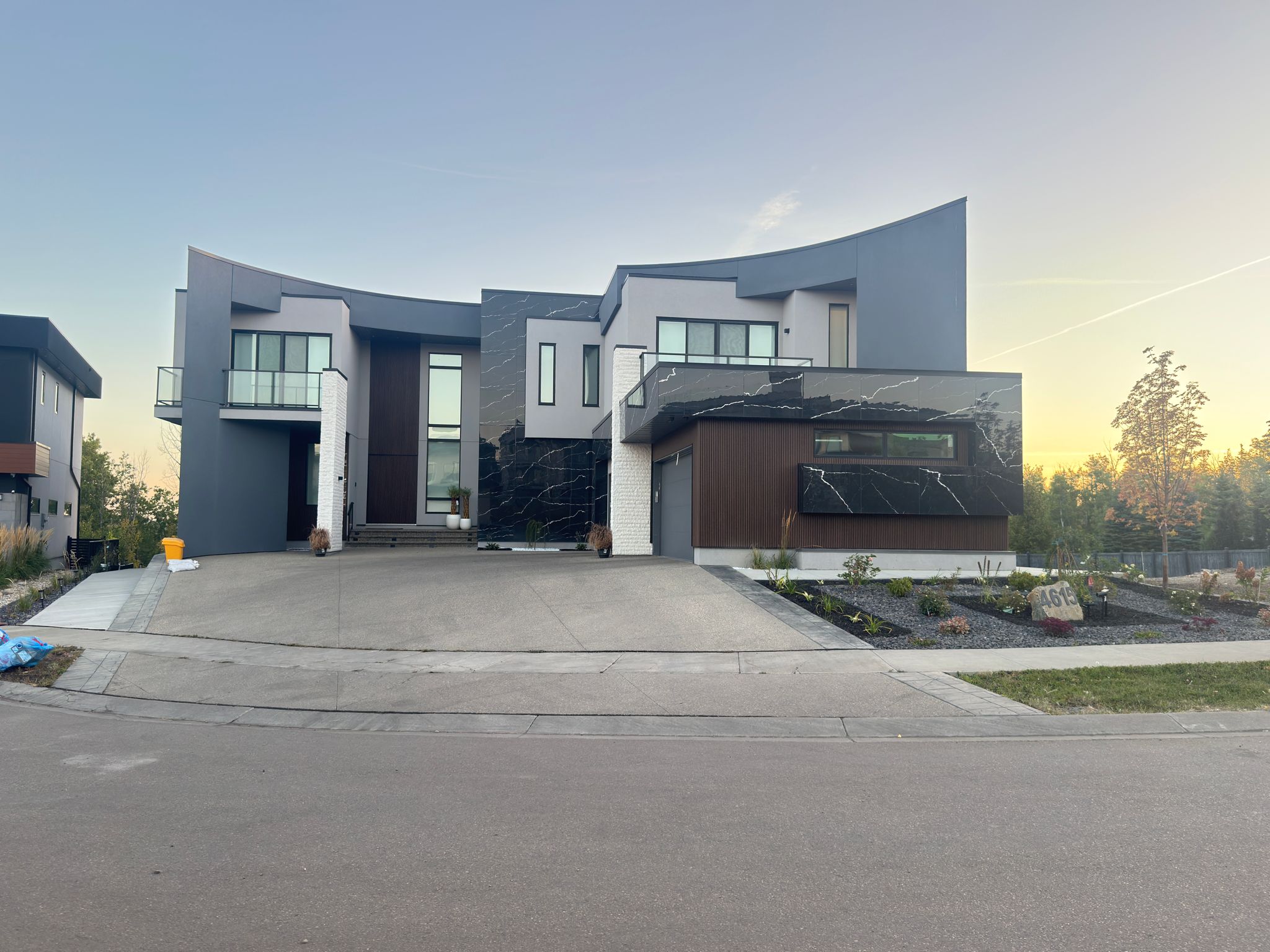
Exterior Color Combinations: How to Choose the Right Colors for Your Home
Choosing the right exterior color combination is one of the most important decisions in any renovation or new build. It directly impacts curb appeal, resale value, and the overall look of your home.
Colors also influence how your home feels. Warm tones create a welcoming and inviting appearance, while cooler tones offer a calm, modern, and clean look. The right combination brings everything together.
At Met Exteriors, we often see homeowners rush this step. Even with high-quality materials, poor color choices can affect the final result. Taking time to plan properly makes a big difference.
Why Exterior Color Selection Matters
Your home’s exterior is the first thing people notice. A well-balanced color palette can instantly improve how your home looks and feels.
A strong exterior color combination can:
- Increase curb appeal
- Improve resale value
- Highlight architectural features
- Create a clean, modern, or timeless appearance
On the other hand, poor color choices can make even premium finishes look outdated or mismatched.
Understand the Mood of Color
Every color creates a different feeling.
Bright and bold colors can make a home stand out and feel energetic. Softer, neutral tones create a more classic and timeless look.
For example:
- Warm tones like beige, cream, and soft brown feel inviting
- Cool tones like grey, blue, and green feel calm and modern
The key is choosing colors that reflect your personal style while matching your home’s design.
Always Review Physical Color Samples
One of the biggest mistakes is choosing colors from a screen or small sample.
Lighting, shadows, and surrounding materials can completely change how a color looks in real life.
Before finalizing your colors:
- Test full-size samples on your walls
- Check them in daylight and evening light
- Compare with roofing, windows, and trim
- View them in both sunny and cloudy conditions
A color that looks perfect online may not look the same on your home.
Choose a Balanced Color Combination
A well-designed exterior usually includes three main color elements.
Primary Color
This is the main color used on walls or siding. It defines the overall look of your home.
Secondary Color
Used for materials like stone, brick, or feature panels. It adds contrast and depth.
Trim Color
Applied to windows, doors, and edges. It helps define the structure and details.
Keep things balanced. Too many colors can make the design feel cluttered.
Consider Your Materials
Materials affect how colors appear.
The same color can look very different depending on what surface it is applied to.
- Stucco gives a softer look
- Stone adds natural variation
- Metal panels reflect more light
- Wood or composite changes with finish and exposure
Always review colors alongside the actual materials being used.
Think About Long-Term Value
Exterior colors play a big role in resale value.
Neutral and balanced palettes tend to appeal to more buyers and stay in style longer.
Popular long-term choices include:
- Warm whites and off-whites
- Grey and charcoal tones
- Earth tones with natural stone
- Light walls with dark trim accents
Trendy colors may look good now but can reduce appeal in the future.
Match Your Surroundings
Your home should complement its environment while still standing out in a clean and refined way.
Consider:
- Neighboring homes
- Landscaping and outdoor features
- Roof color
- Overall street appearance
Homes in natural areas often work best with earthy tones, while modern neighborhoods may suit sharper contrasts.
See Real Project Examples
To better understand how colors and materials work together, view real completed projects in our Residential Gallery.
Seeing real homes can help you visualize what will work best for your own space.
Learn More About Exterior Design
For additional guidance on materials and exterior design, visit trusted industry resources like the Canada Mortgage and Housing Corporation (CMHC).
Work With Experienced Professionals
Choosing the right exterior color combination requires careful planning. It’s not just about picking colors you like—it’s about how everything works together.
Working with professionals ensures your choices are:
- Visually balanced
- Suitable for your materials
- Designed for long-term value
Take your time, explore options, and plan carefully. The right color combination can completely transform your home and elevate its overall appearance.